
Search results
“Sour Bulgur Kibbeh”
Zesta Library
Search result recipes
Results update across recipes, ingredients, categories, and kitchen styles.
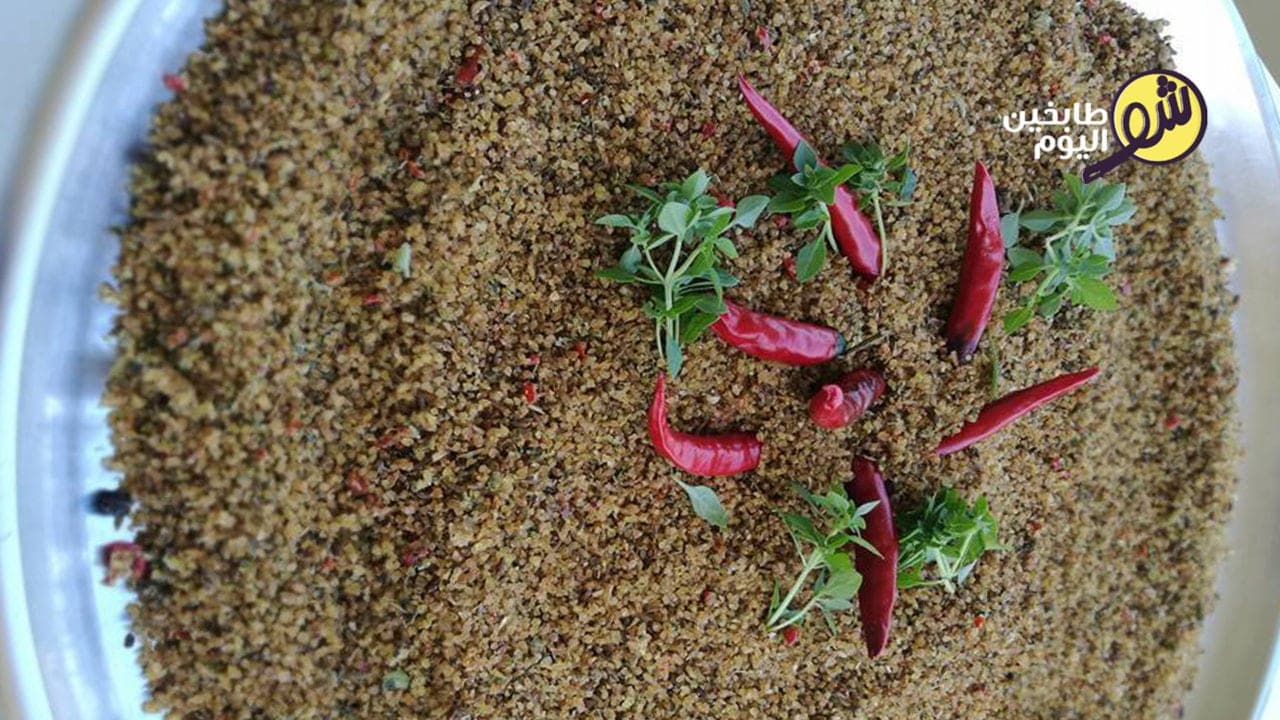
How to Make Kammouneh
Some Lebanese regions are known for their signature dishes, and this bulgur-and-spice recipe is one of those preparations whose flavor can vary not only from region to region, but even from one neighboring village to the next....
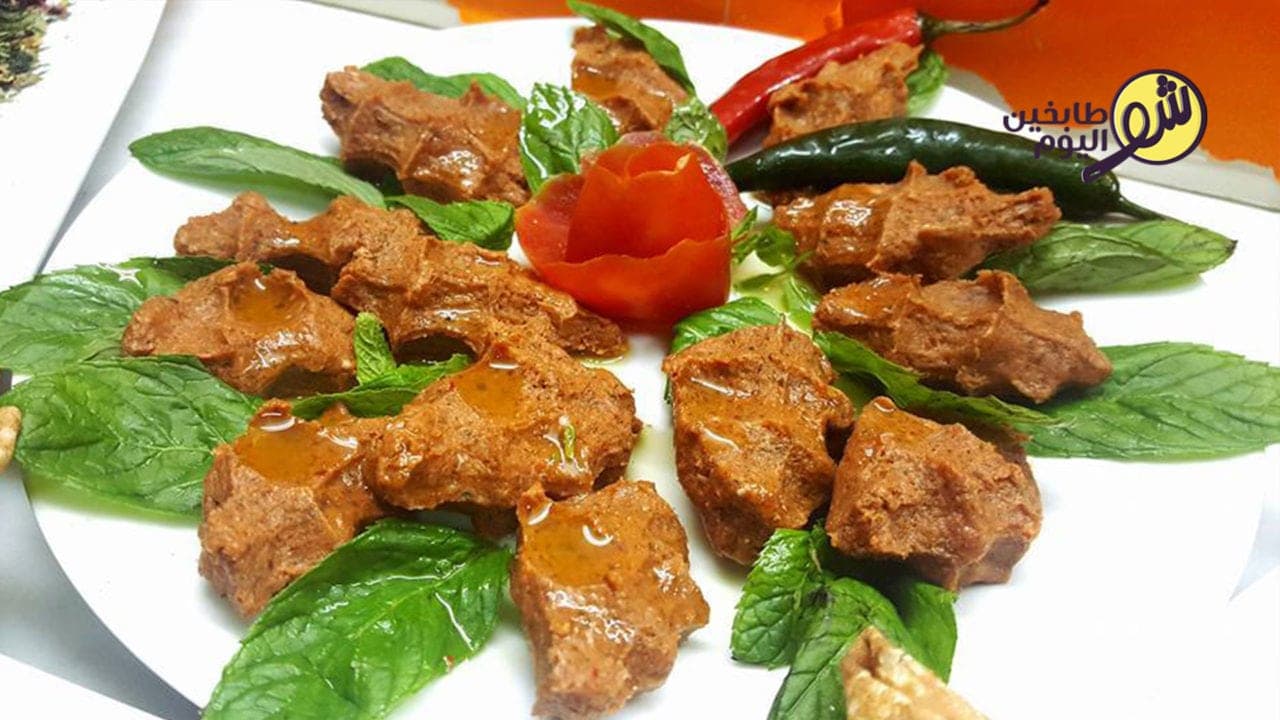
Farakah
One of the most famous Lebanese dishes... and when #kibbeh or #farakah is served, there is no room for any other dish... Some may be surprised by eating raw meat, but this dish has become part of Lebanese heritage, with its own traditional way of preparation...
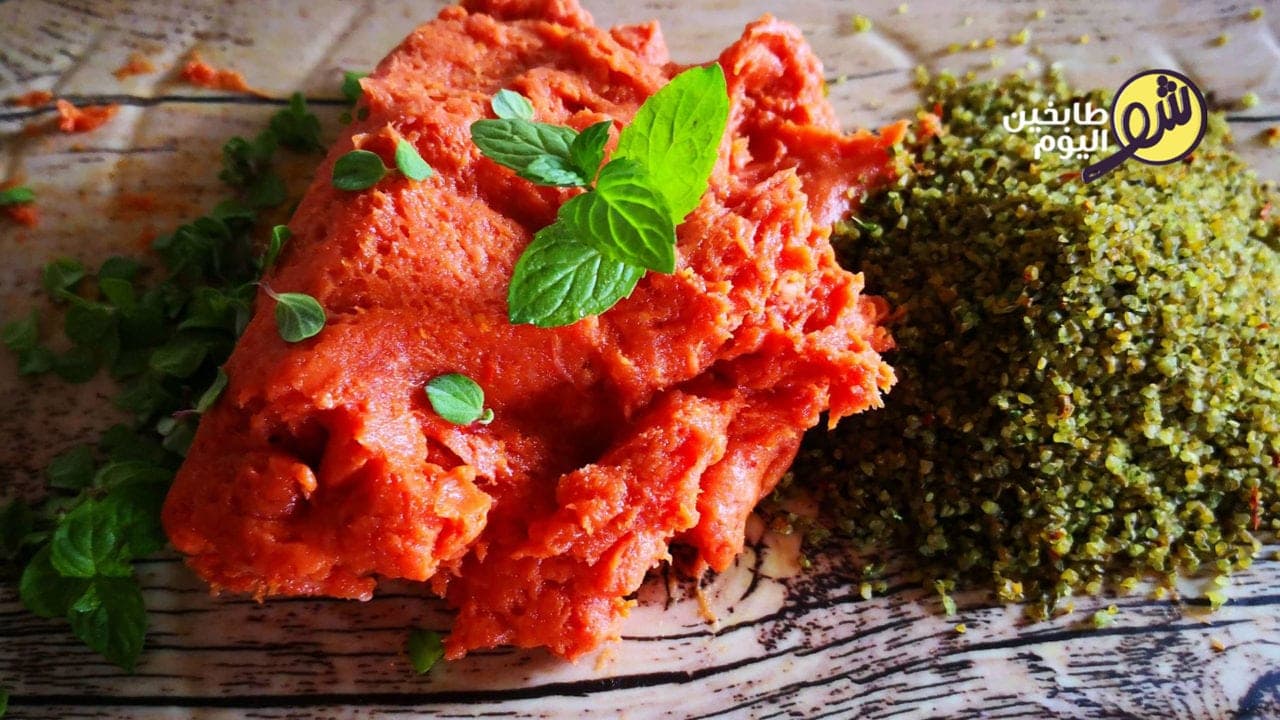
Raw Malsa Meat (Raw Lamb)
Malsa is a raw dish from the kibbeh family (also related to frekeh) and other raw meats that are among the most famous Lebanese dishes. Some people worry about eating raw meat, but its preparation requires careful precision, cleanliness, and hygiene.
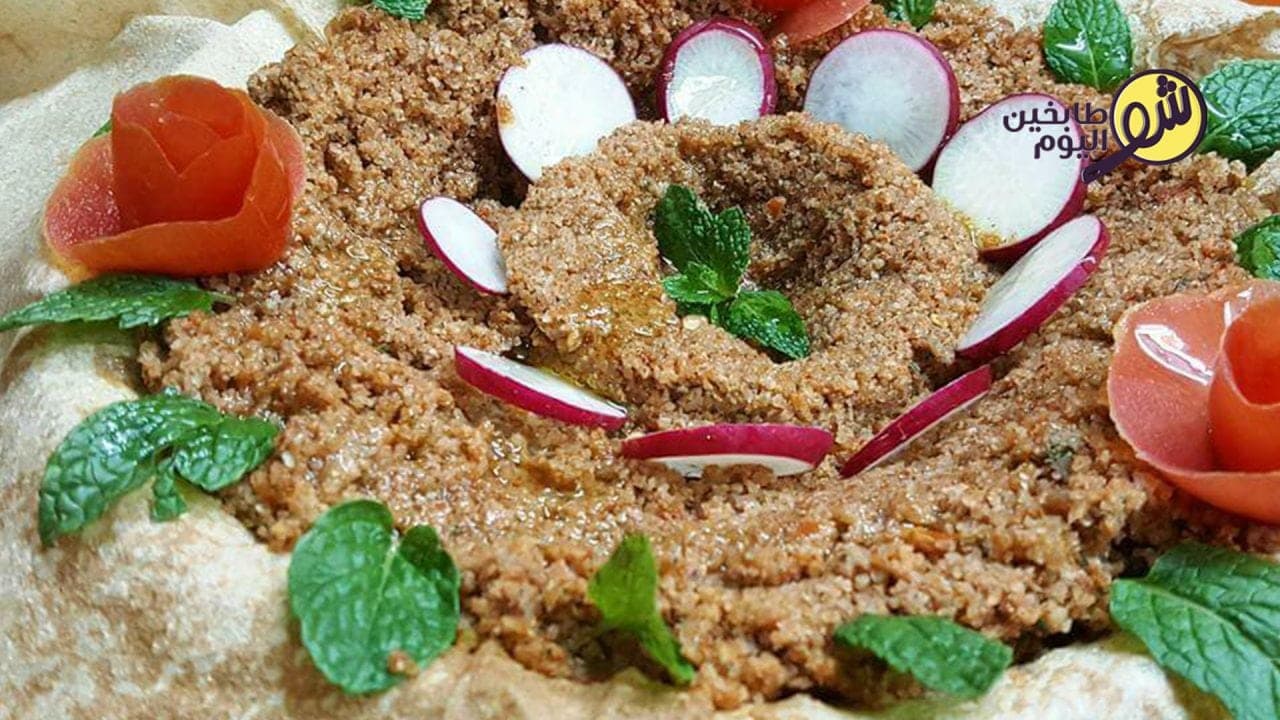
How to Make Tomato Kamouneh
Tomato kamouneh is one of the most famous and delicious Lebanese vegetarian recipes. It is based on kamouneh seasoning, a blend of aromatic herbs and spices also used for meat kibbeh and potato kibbeh.
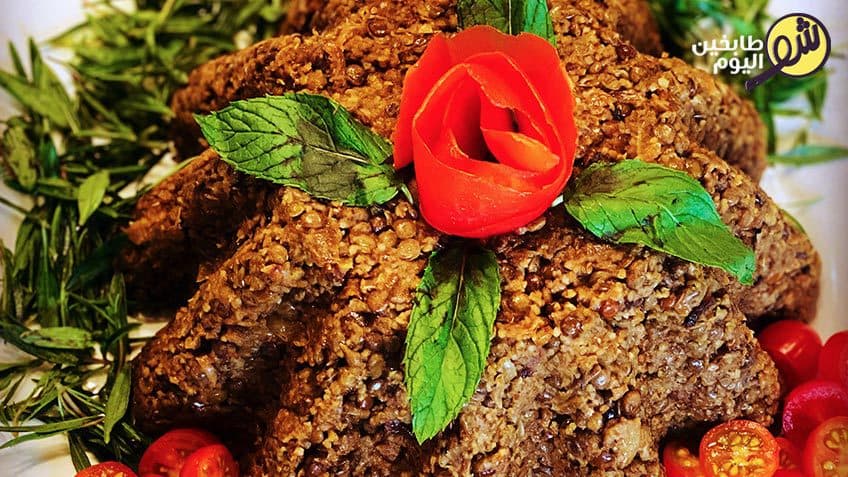
Red Lentil Mujaddara Recipe
Red lentil mujaddara is one of Lebanon’s traditional recipes, especially famous in South Lebanon. It is very nourishing, since it combines lentils and bulgur, both of which offer important nutritional benefits.
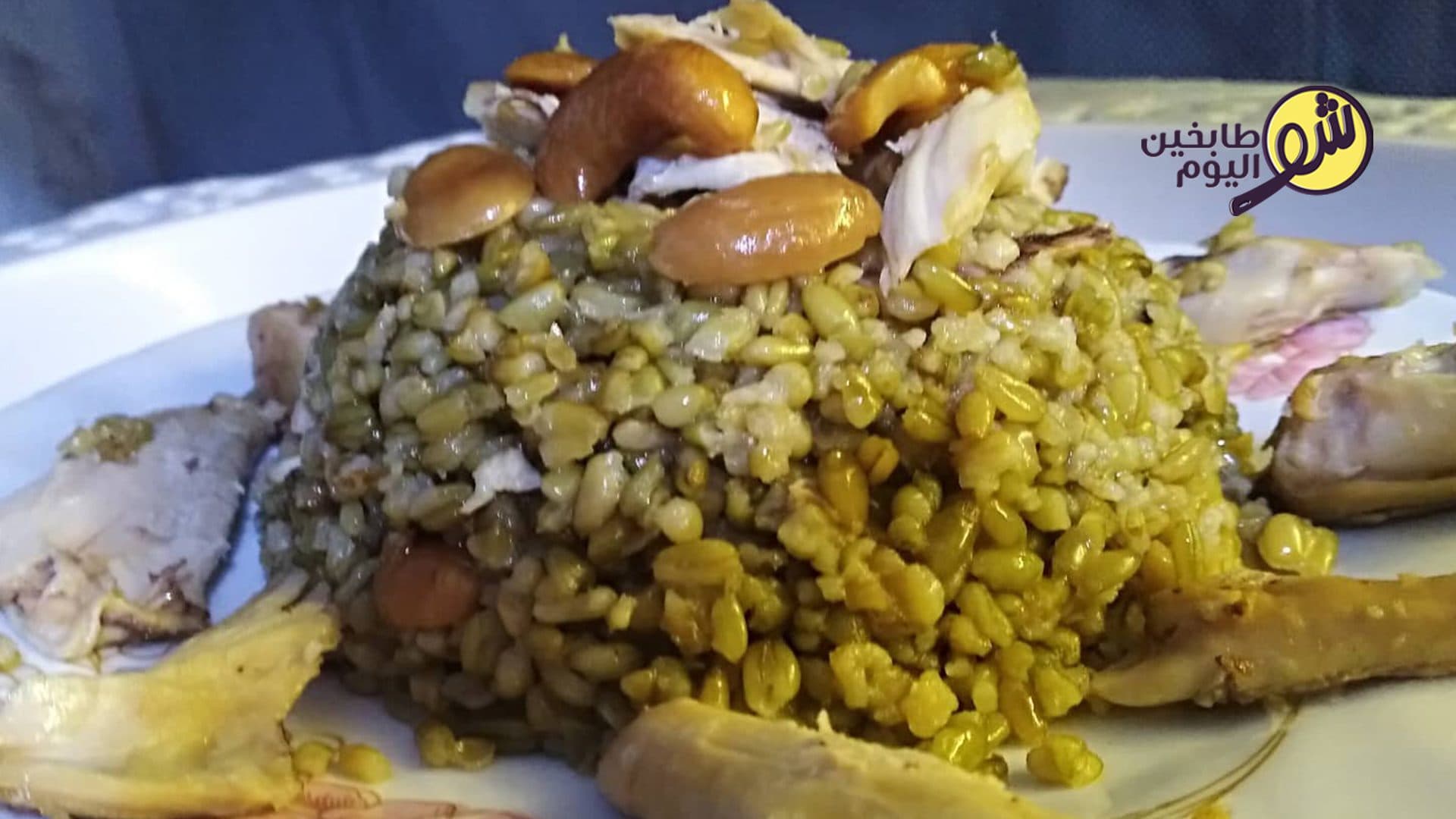
Freekeh with Chicken
Freekeh with chicken is a delicious dish prepared like bulgur or rice but it needs more water and longer cooking time. Freekeh is nutritious and tasty with chicken or lamb.
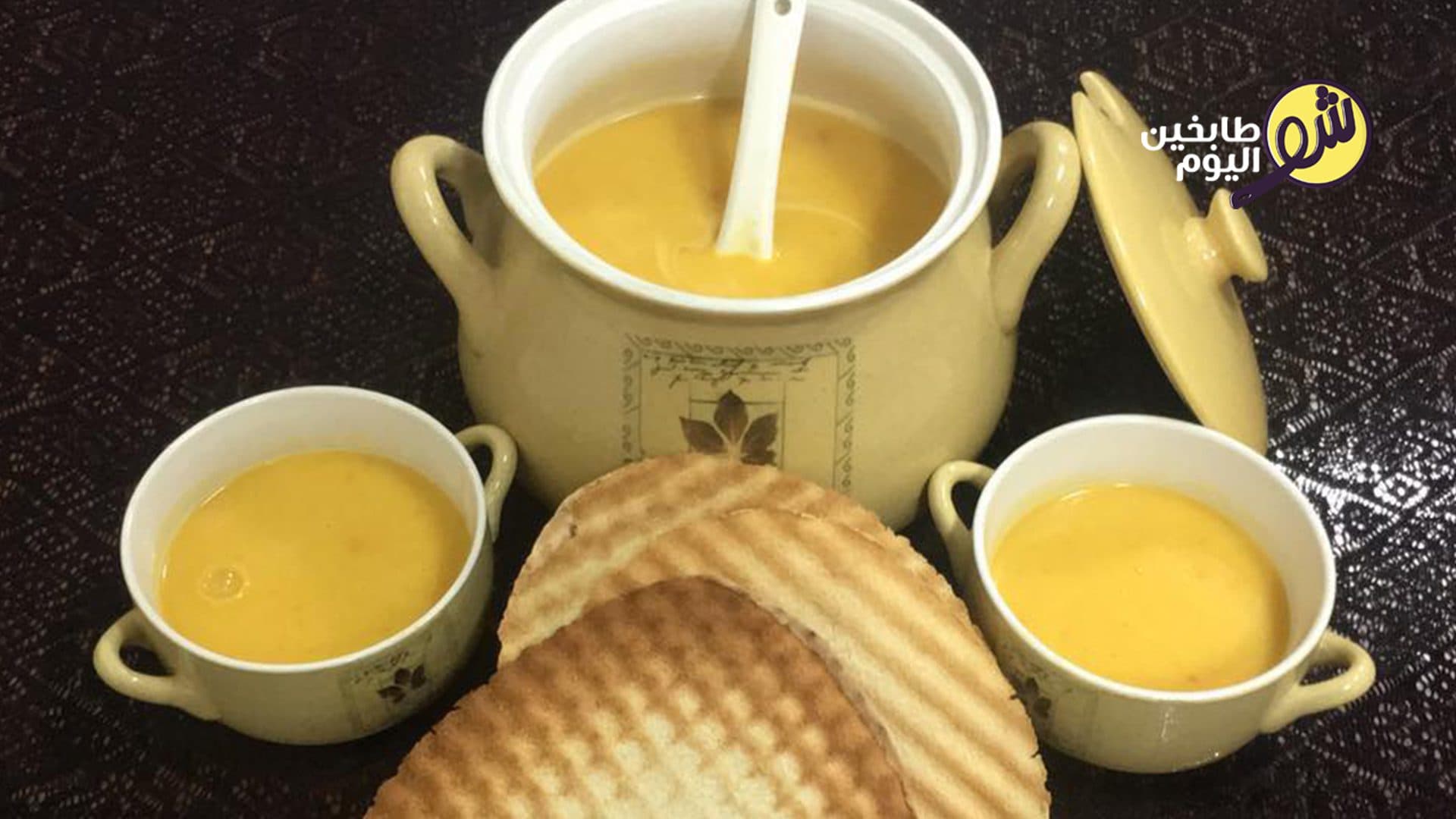
Yellow Split Lentil Soup
Yellow split lentil soup — a light, nutritious and very tasty soup. Serve with toasted bread and a squeeze of lemon. It pairs well with kibbeh dishes.
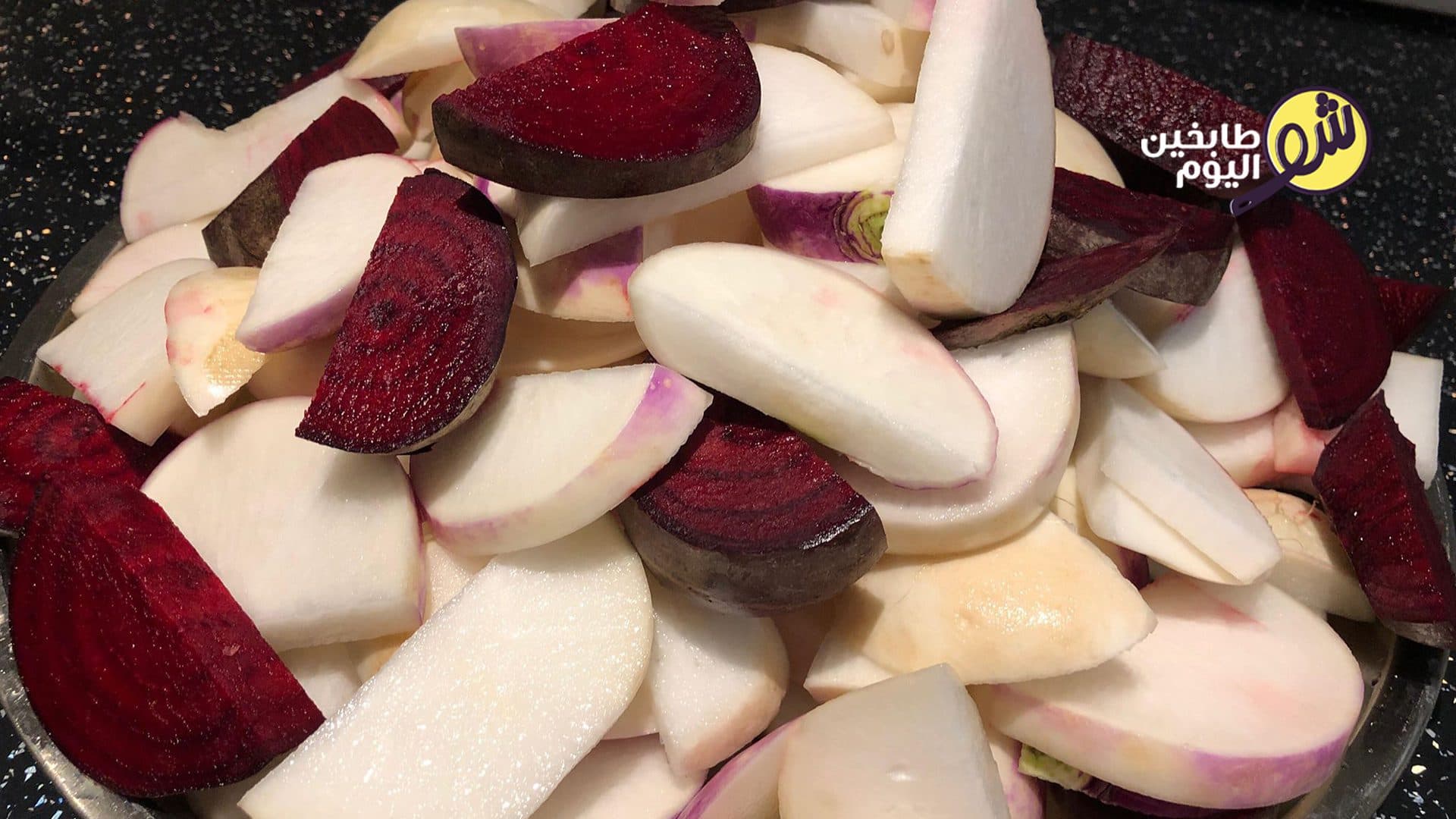
How to Make Pickled Turnips
Pickled turnips are one of the tastiest things you can serve with a meal, especially with vegetarian dishes made with bulgur and lentils! Here is this recipe for making this special pickle!
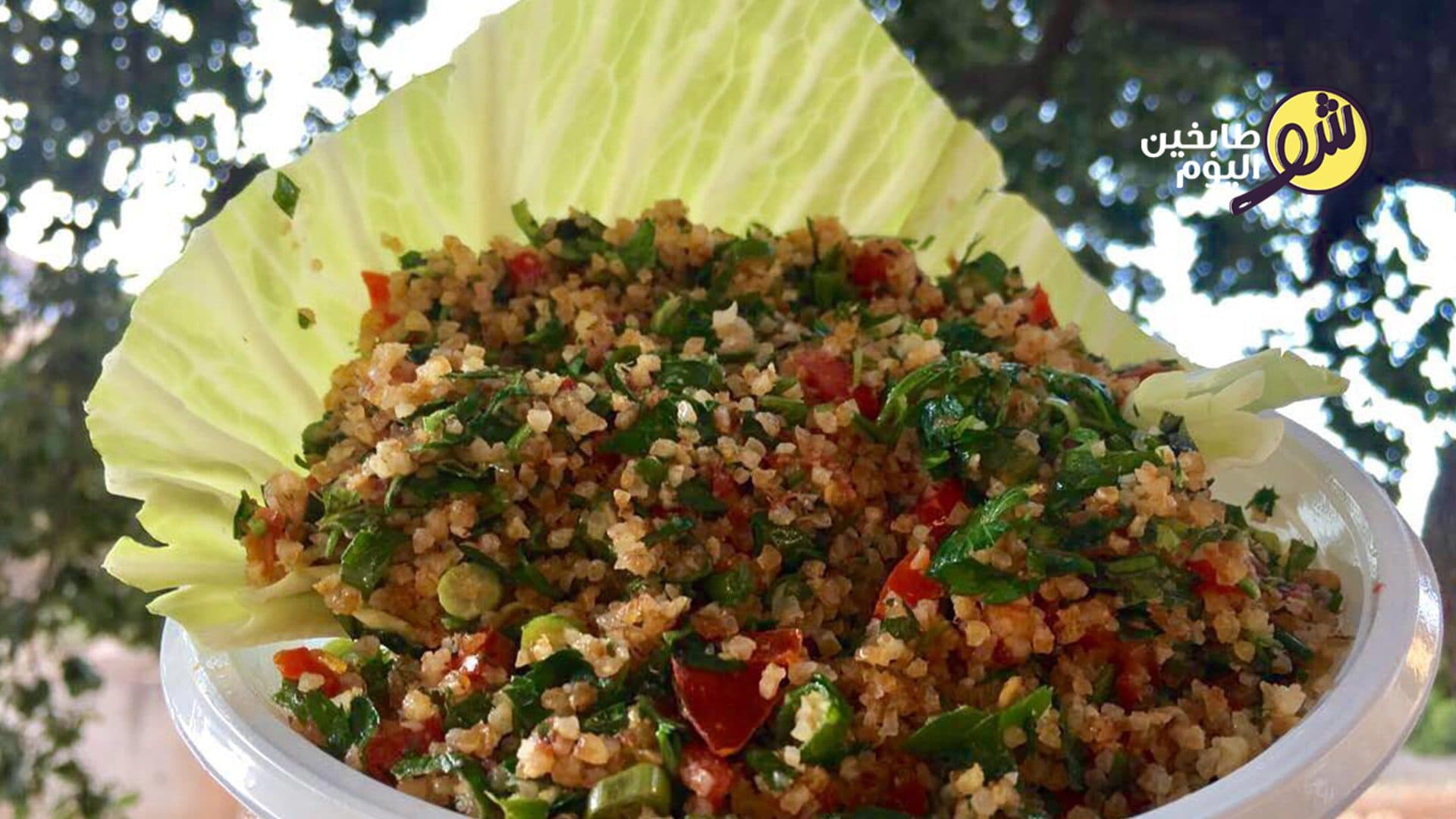
How to Make Lebanese Mafruka
Mafruka with vegetables and bulgur is one of the tastiest Lebanese salads, famous in South Lebanon! It is eaten with lettuce or cabbage leaves, like tabbouleh, or even grape leaves. Its ingredients are like tabbouleh, with a difference in the preparation method.
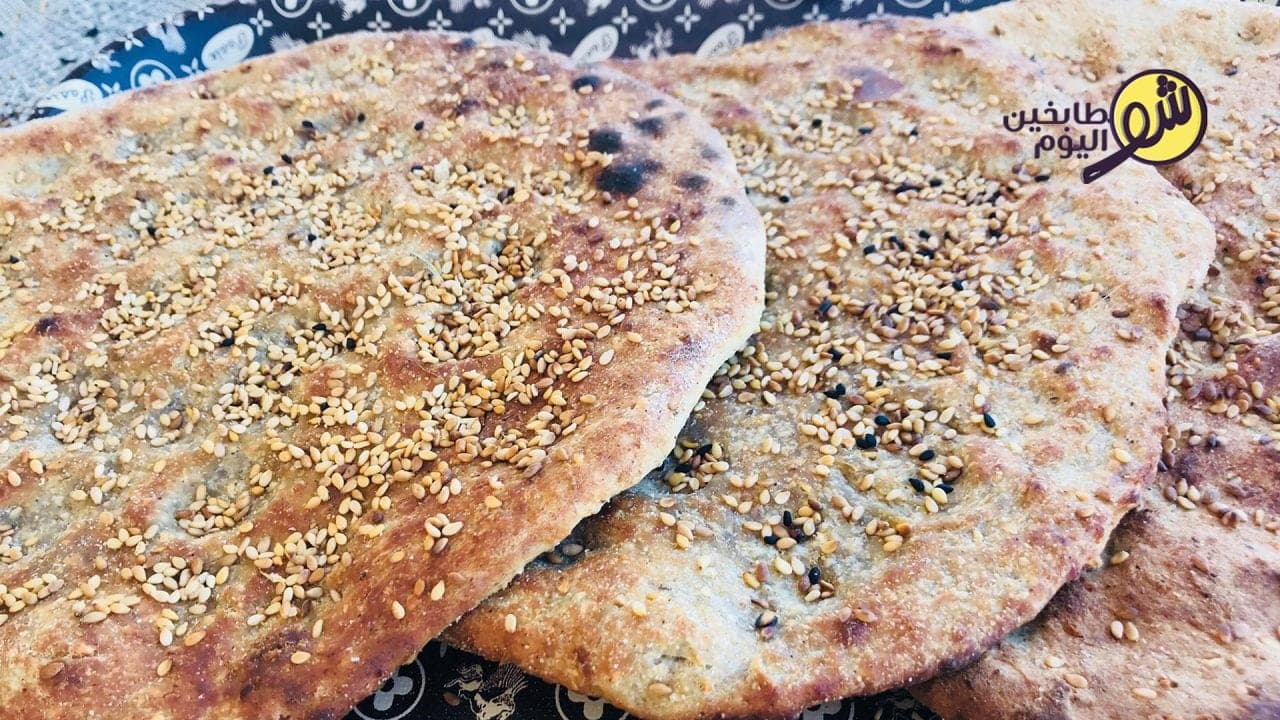
How to Make Mashatih Bread
Mashatih is a popular type of pastry in Lebanon, especially at the suhoor table during the holy month of Ramadan. If cracked wheat is not available among the ingredients for mashatih, you can replace it with fine bulgur.
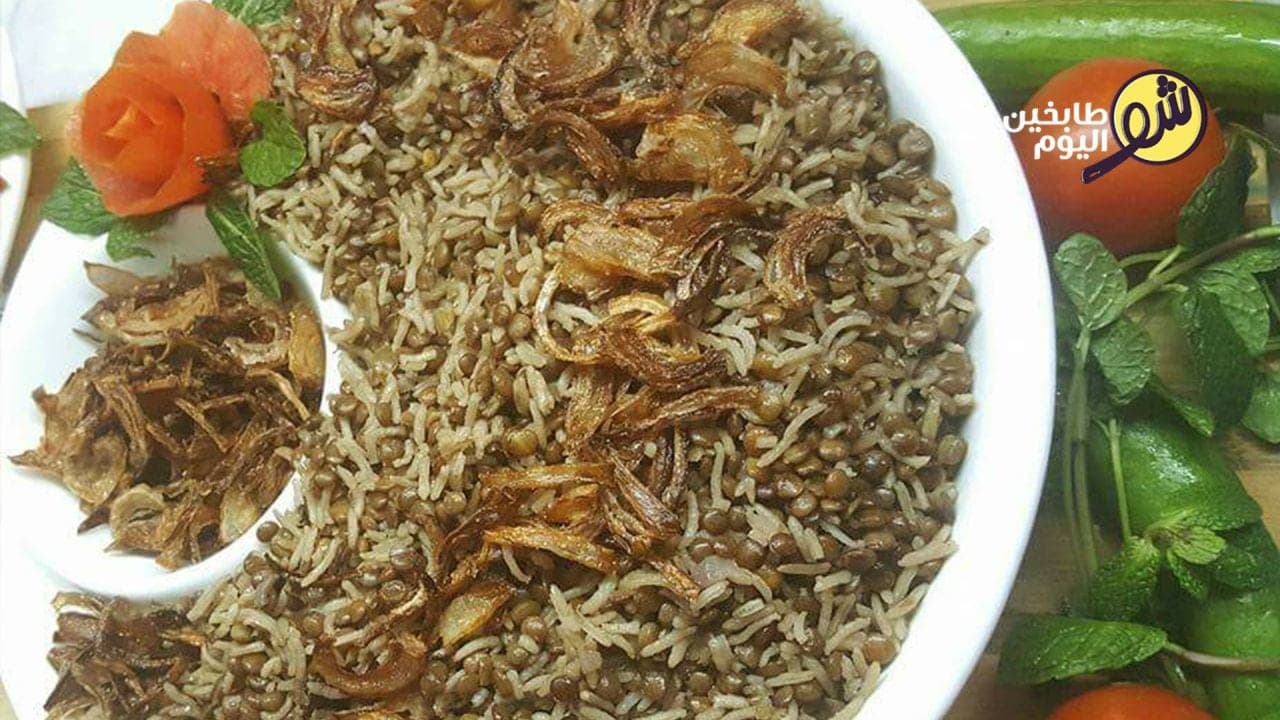
Mujadara (Lentils and Rice)
Mujadara differs from red mujaddara by using large lentils and, in this version, rice replaces bulgur. Feel free to increase fried onions to taste.
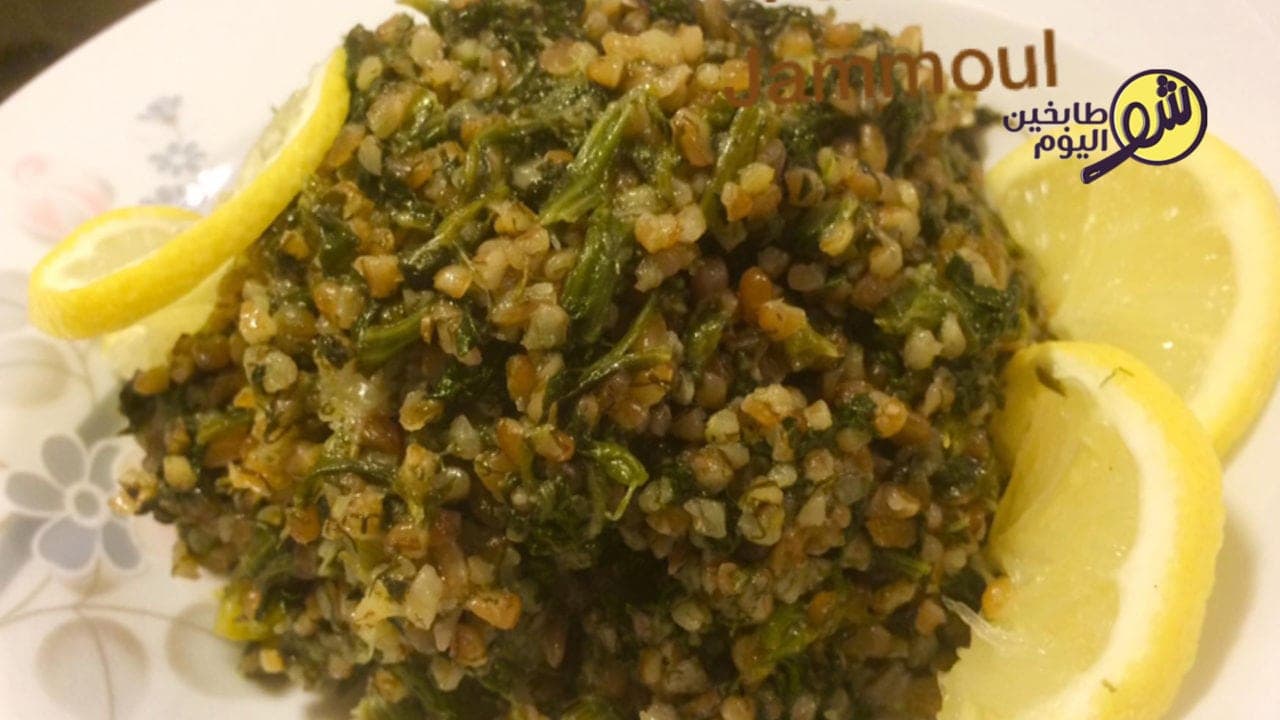
Baqlah with Spinach and Chard
Baqlah is a well-known southern Lebanese dish built on greens cooked with coarse bulgur. In this version we make it with spinach and chard, for a delicious, nourishing, and healthy meal.
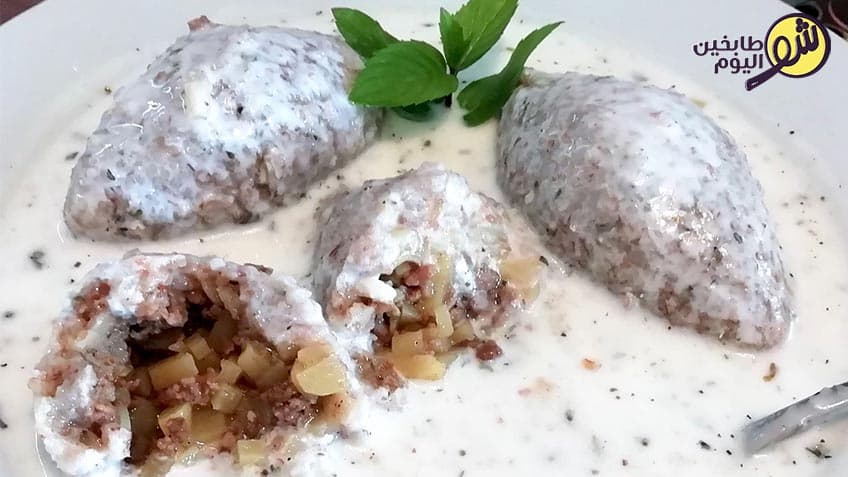
How to Make Kebe Hila with Potatoes
Kebe Hila with potatoes can be baked, fried, or boiled, then served with cooked yogurt just like meat kibbeh. A delicious and budget-friendly recipe—here is the method in detail.
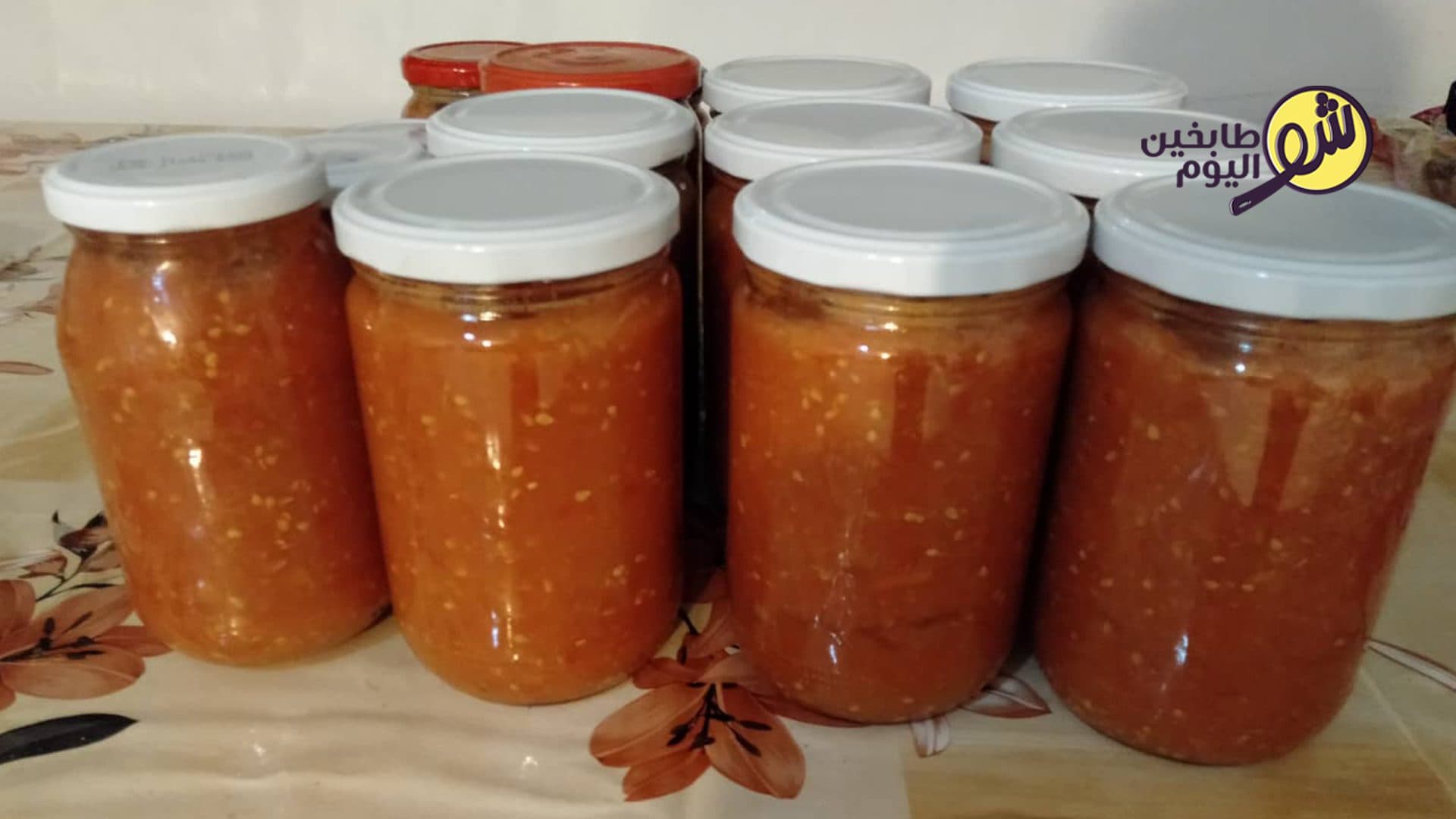
How to Make Tomato Syrup
Tomato syrup — very easy. Use sour (acid) tomatoes — available mainly in summer — to get the best flavor.
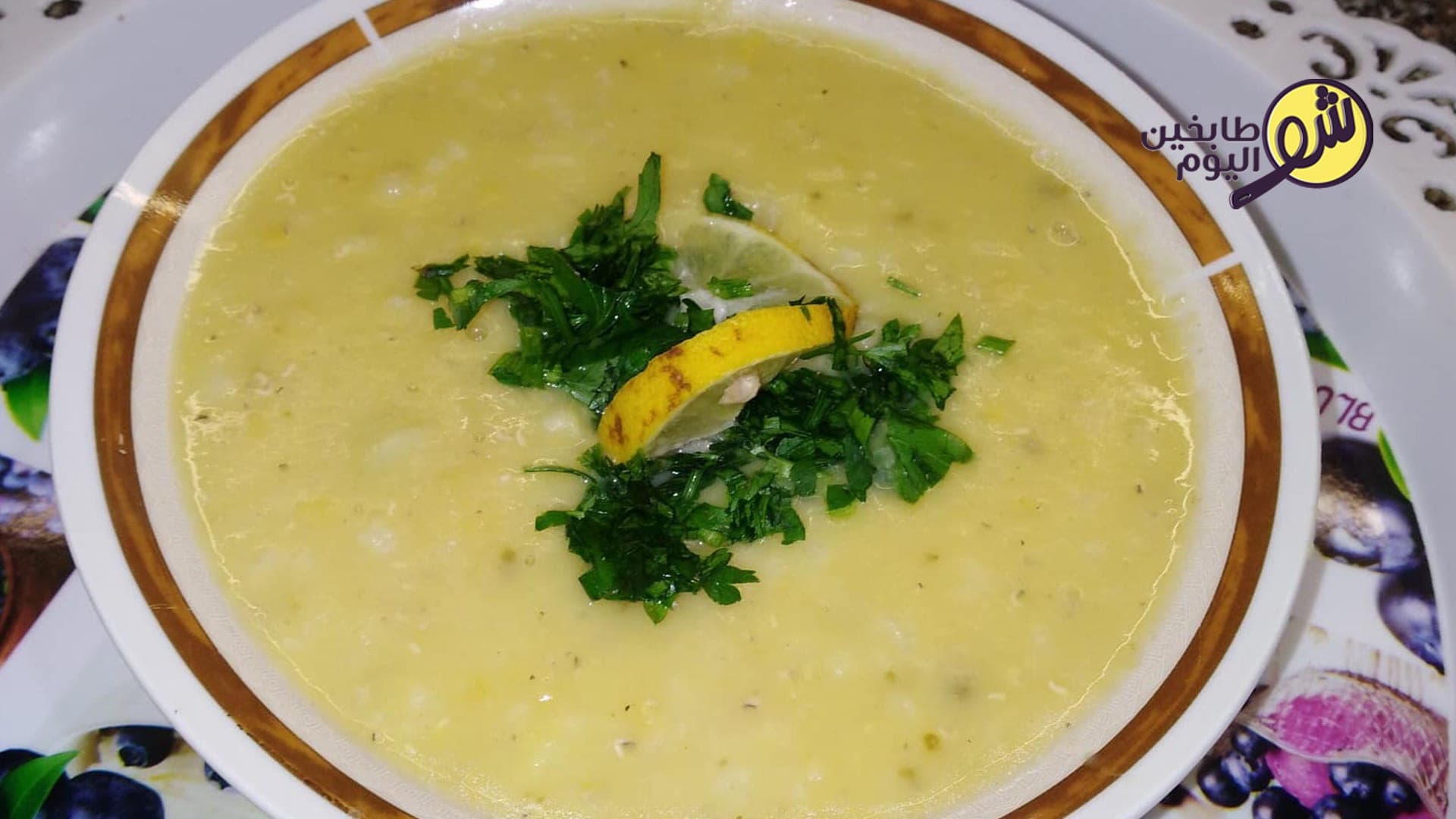
Yellow Lentil Soup
A simple homemade yellow lentil soup made with everyday ingredients. Light, nutritious and delicious—especially served with kibbeh.
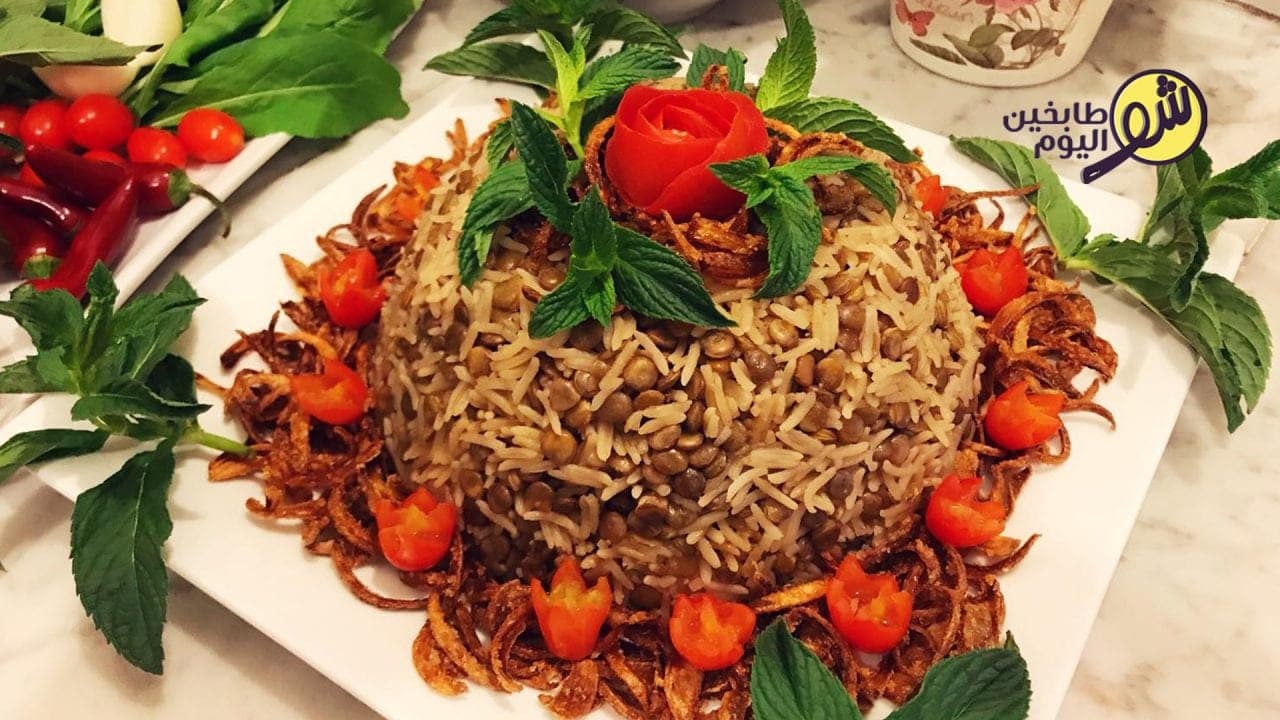
Rice Mujadara (Madardara)
Mujadara with rice uses rice instead of bulgur in the traditional mujaddara. Serve Mujadara with a green salad and yogurt for a complete meal.
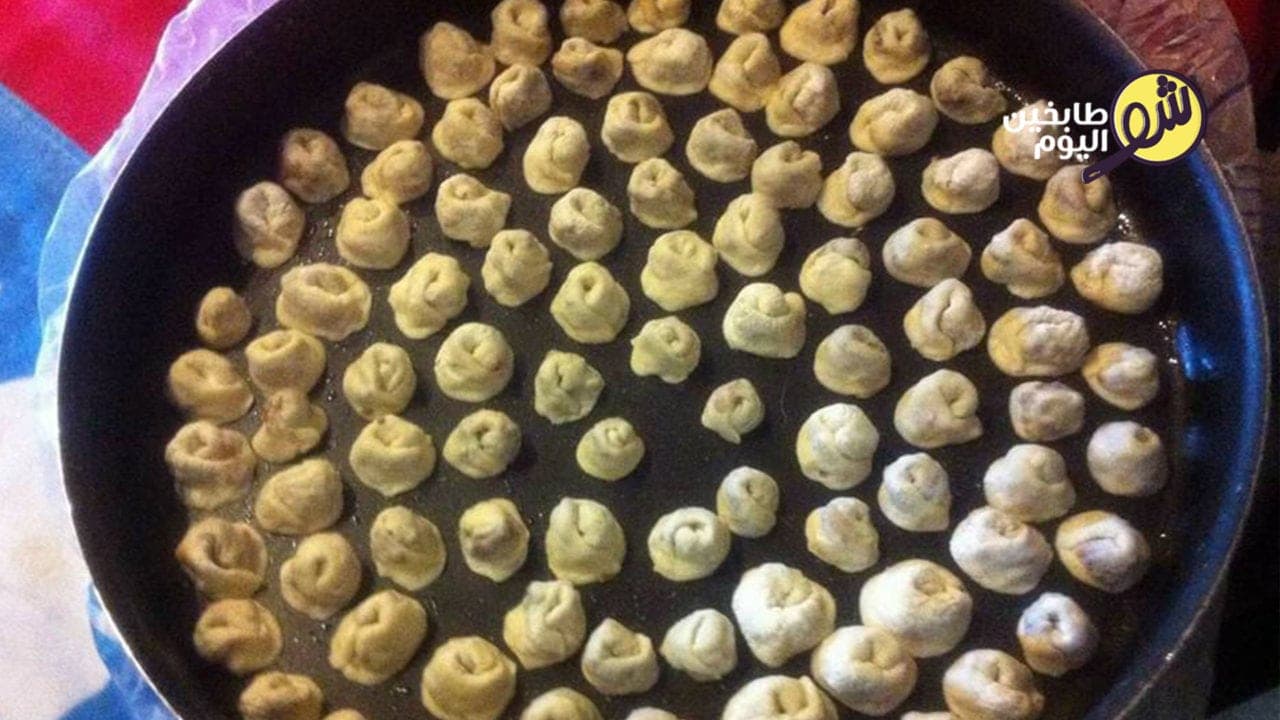
Shish Barak Without Meat
Ingredients: 2 dried onions, finely chopped; black pepper; salt; 1 cup coarse white bulgur; 1/2 cup water; fried pine nuts; 1 kilo yogurt; 2 tablespoons starch; 1 cup water to dissolve the starch. Method: Soak the bulgur with a little water and leave it damp or soaked for about 20 minutes. Finely chop the onion...
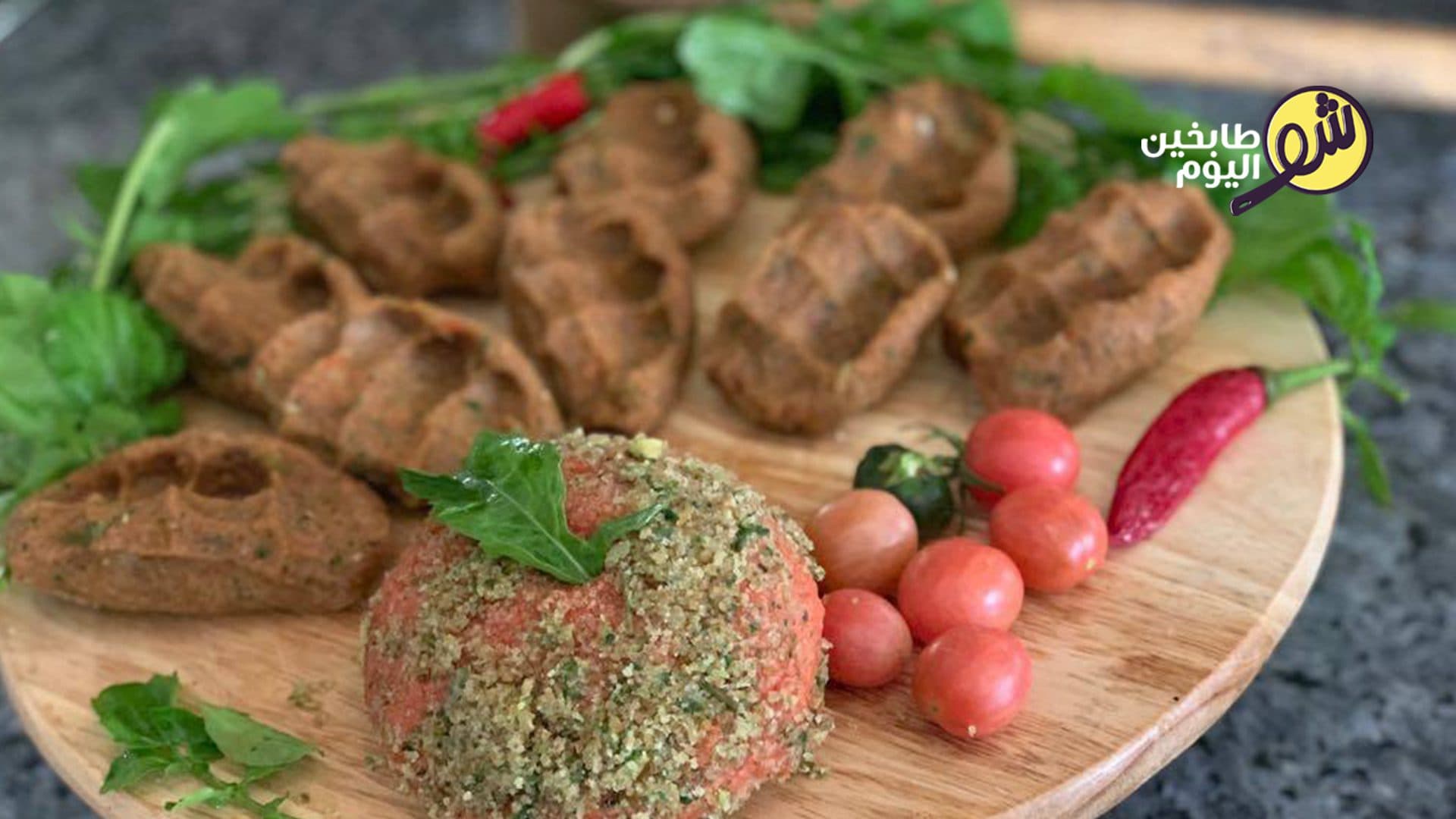
Lebanese Farakeh (Farakeh/Kibbeh Mix)
How to make Lebanese farakeh — a classic Lebanese dish commonly found on the table. Maintain strict hygiene when preparing raw meat to ensure a safe and delicious result.