
Search results
“Bulgur Mafroukeh”
Zesta Library
Search result recipes
Results update across recipes, ingredients, categories, and kitchen styles.
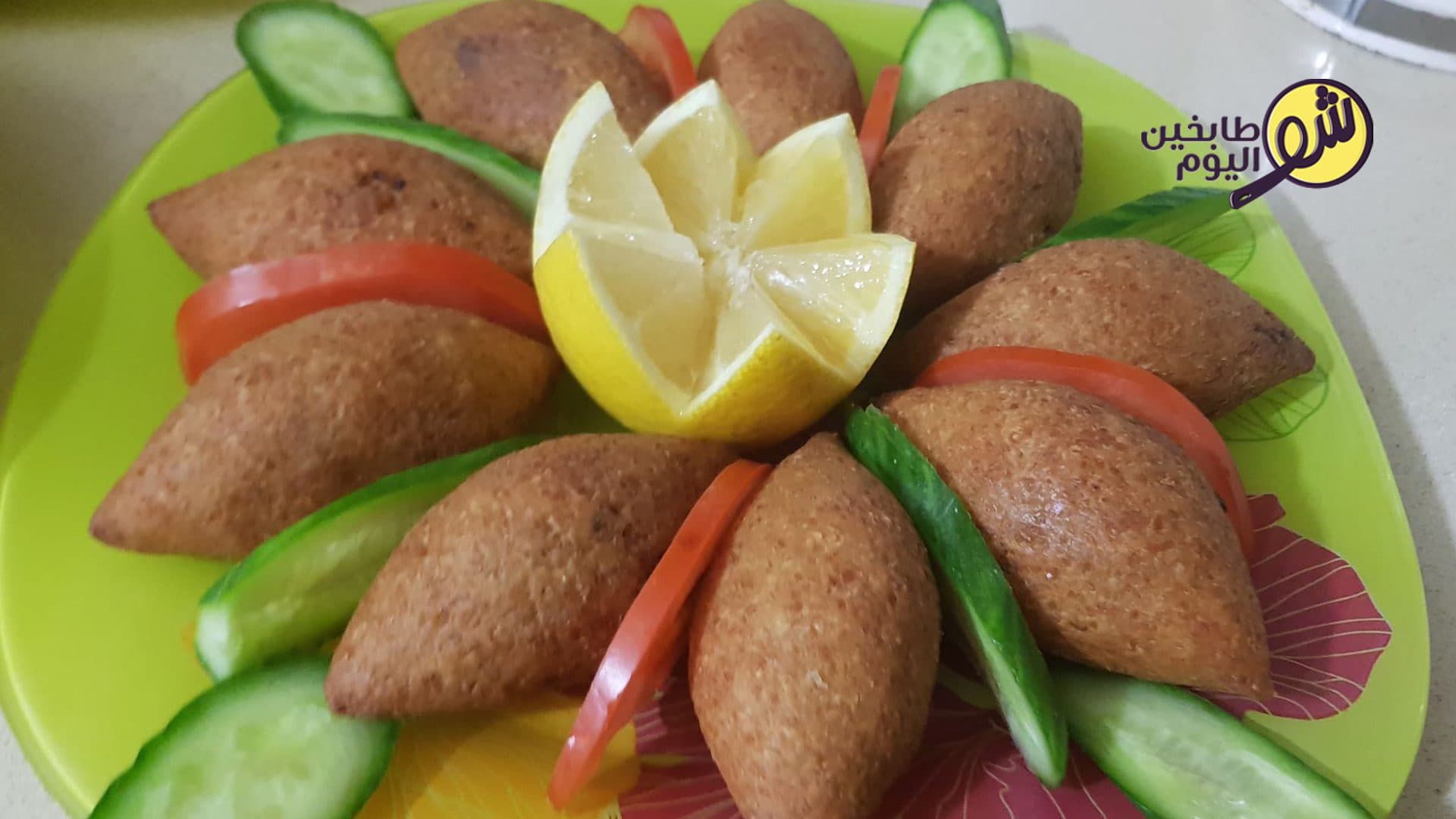
Bulgur Kibbeh with Meat Filling
Bulgur kibbeh (without meat in the dough) — flour and oil are added until a cohesive, moldable dough forms. The filling is classic seasoned meat. A tasty, different kibbeh worth trying.
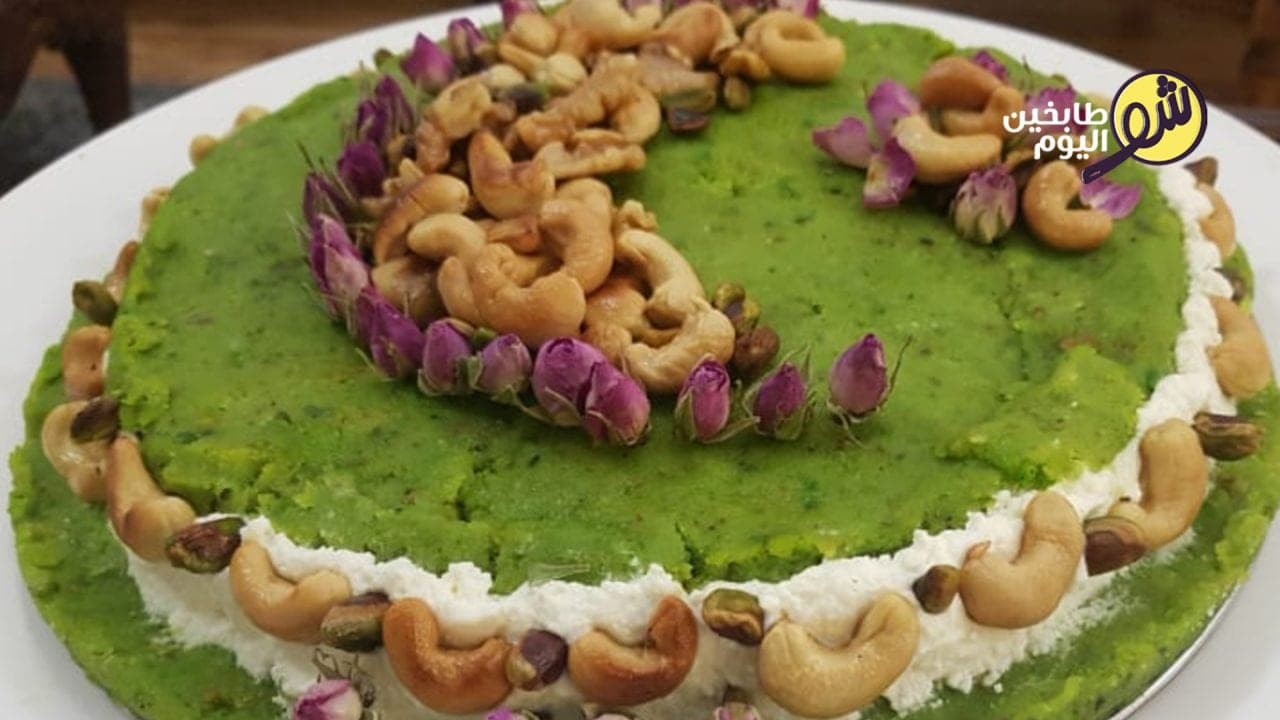
Two-Layer Mafroukeh with Pistachios and Ashta
A two-layer mafroukeh with ashta and Aleppo pistachios. A wonderful dessert in both appearance and taste, and it does not require many ingredients or a long time to prepare.
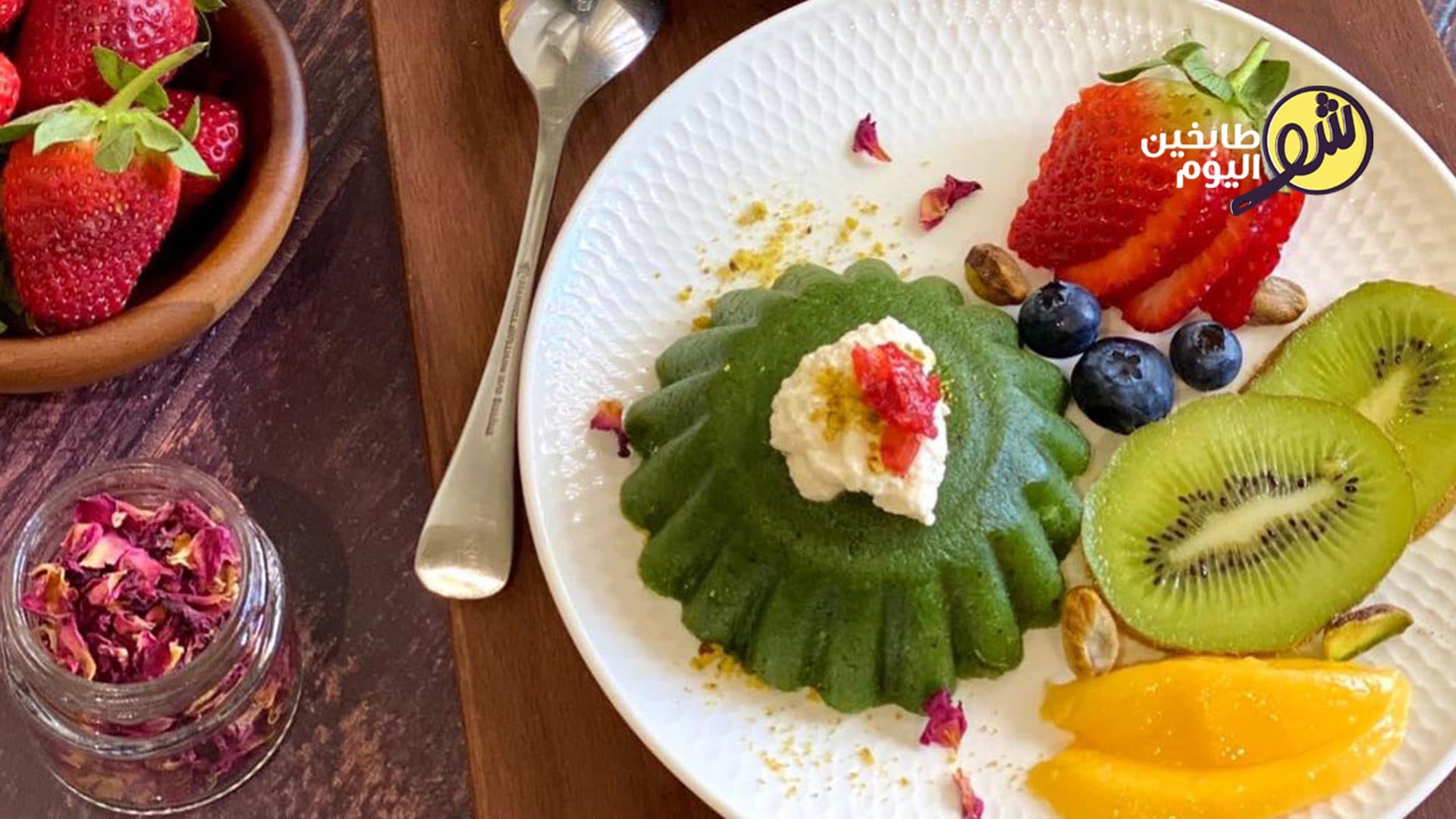
Green Mafroukeh Dessert
Green mafroukeh dessert... a wonderful homemade recipe in every detail, in presentation, and above all in taste. This recipe has been tested, so follow the steps carefully to get the best mafroukeh.
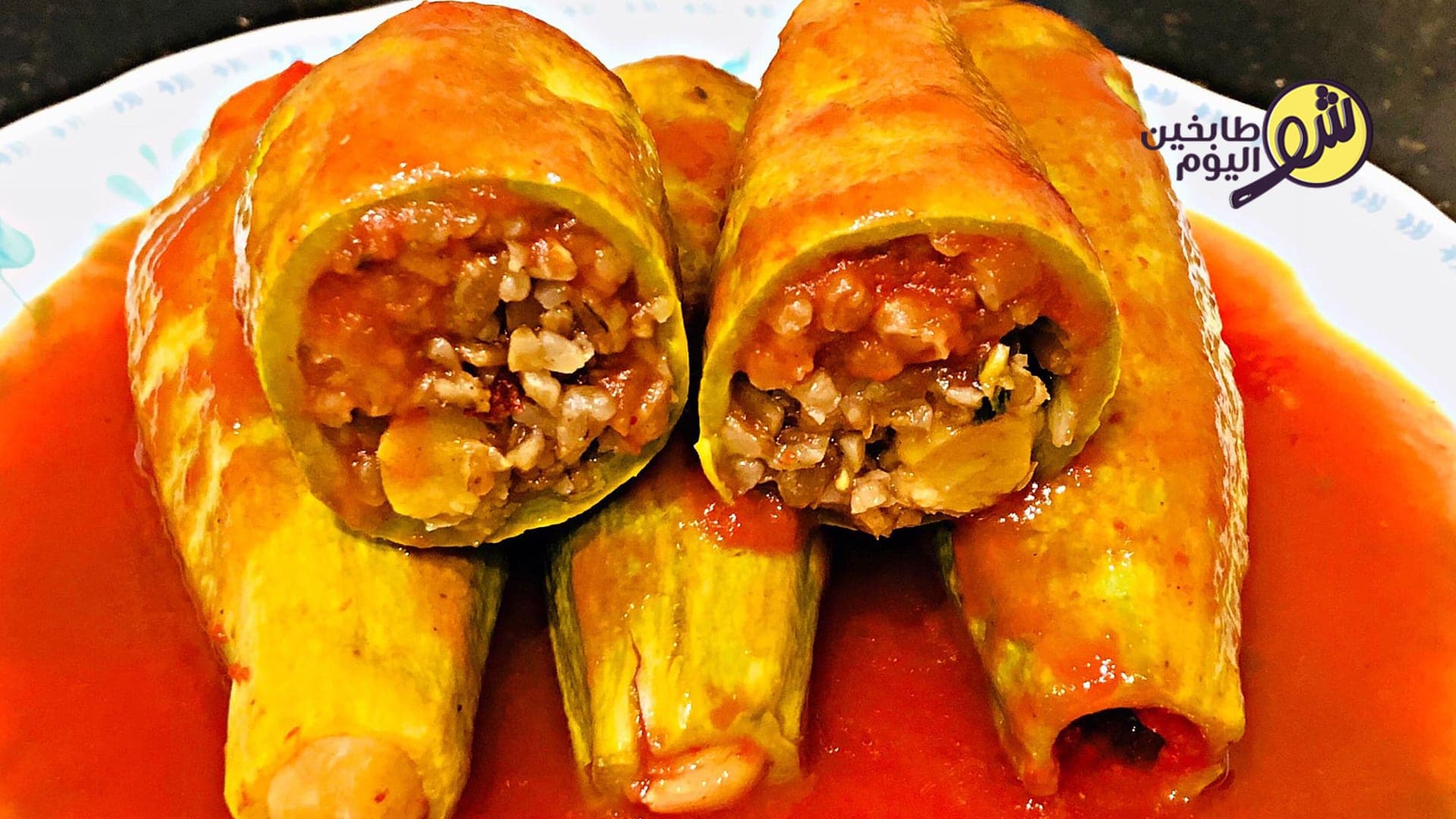
Zucchini with Bulgur (Stuffed)
Zucchini with bulgur follows the same idea as traditional stuffed zucchini, but the filling relies on bulgur, chickpeas, mint, and tomatoes instead of rice and meat. A great option for dieting since bulgur provides fullness with fewer calories.
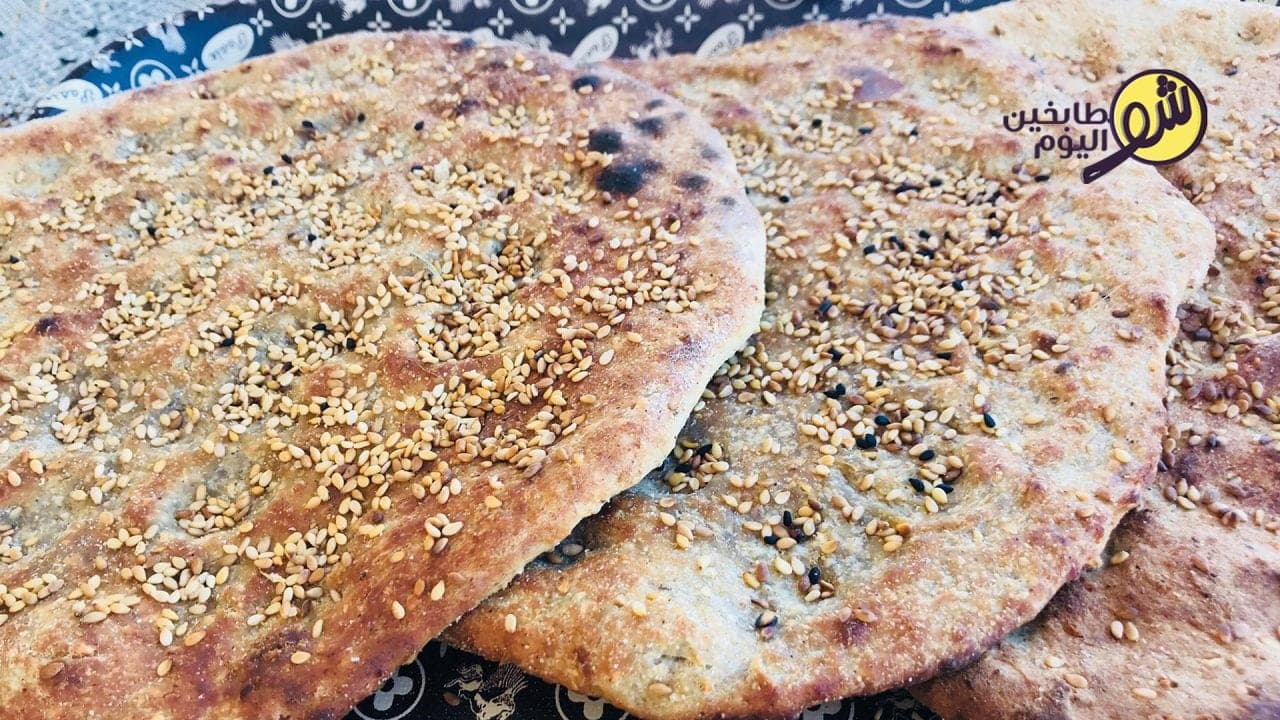
How to Make Mashatih Bread
Mashatih is a popular type of pastry in Lebanon, especially at the suhoor table during the holy month of Ramadan. If cracked wheat is not available among the ingredients for mashatih, you can replace it with fine bulgur.
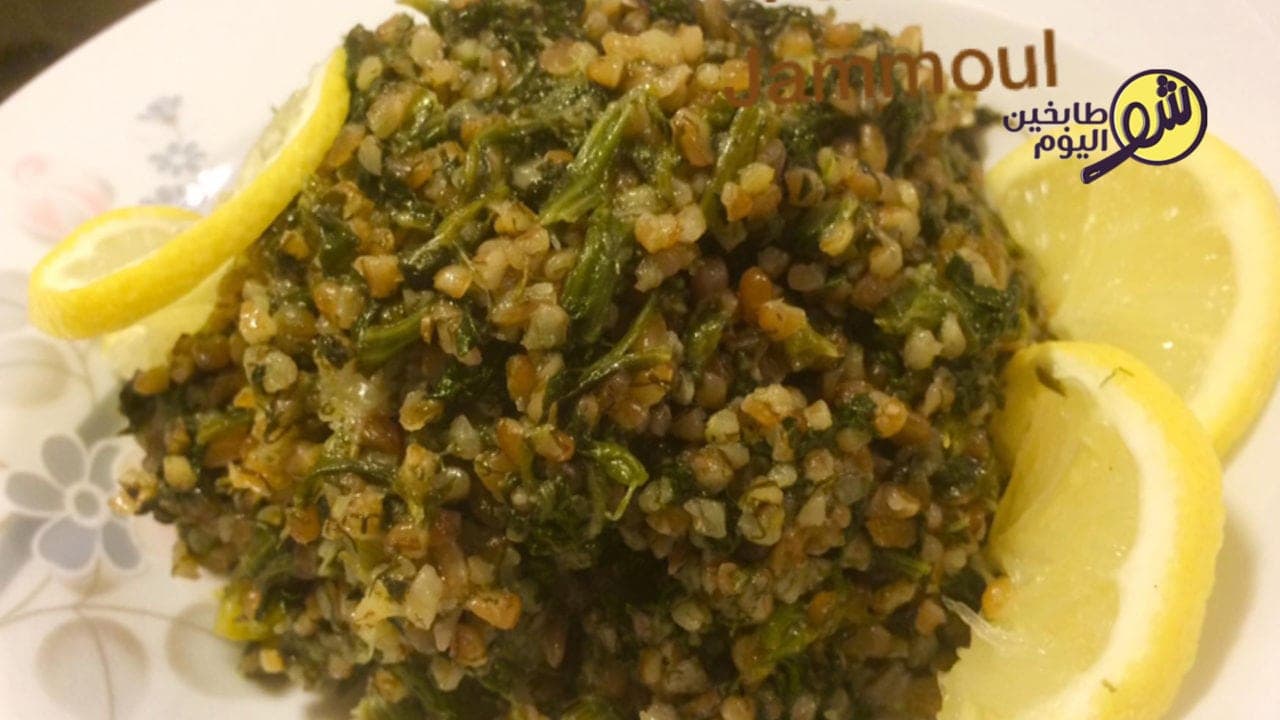
Baqlah with Spinach and Chard
Baqlah is a well-known southern Lebanese dish built on greens cooked with coarse bulgur. In this version we make it with spinach and chard, for a delicious, nourishing, and healthy meal.
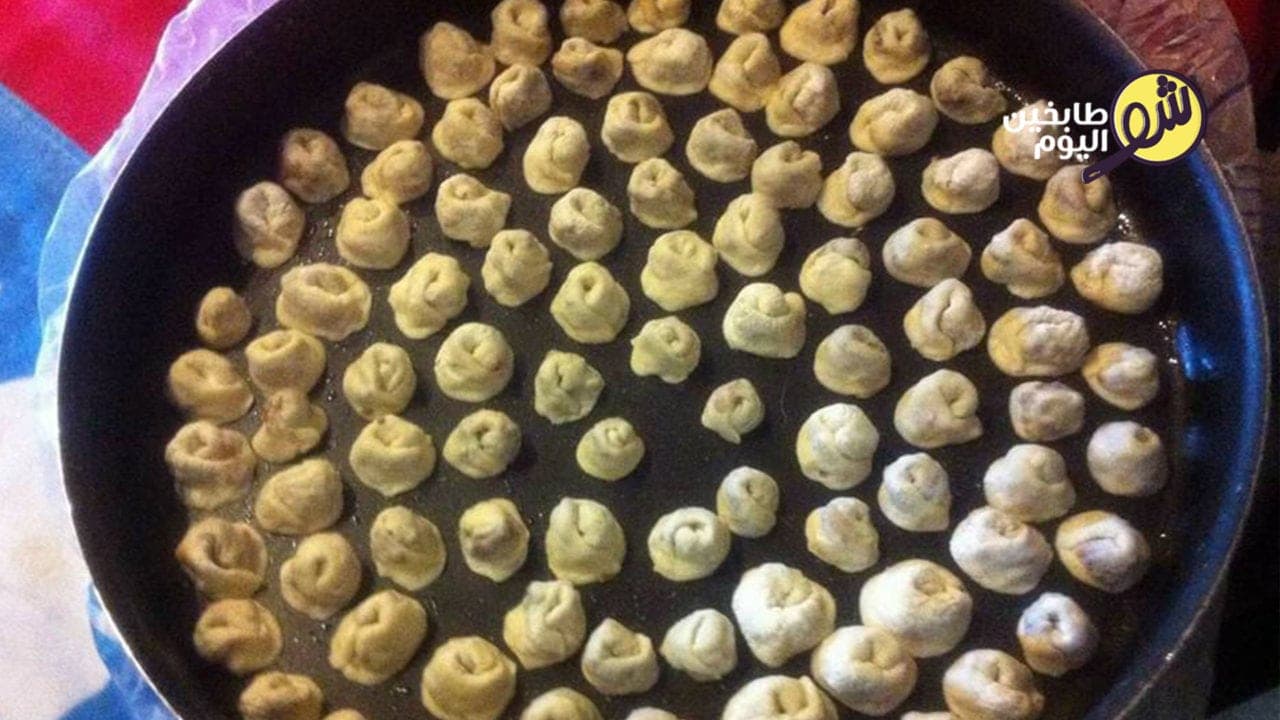
Shish Barak Without Meat
Ingredients: 2 dried onions, finely chopped; black pepper; salt; 1 cup coarse white bulgur; 1/2 cup water; fried pine nuts; 1 kilo yogurt; 2 tablespoons starch; 1 cup water to dissolve the starch. Method: Soak the bulgur with a little water and leave it damp or soaked for about 20 minutes. Finely chop the onion...
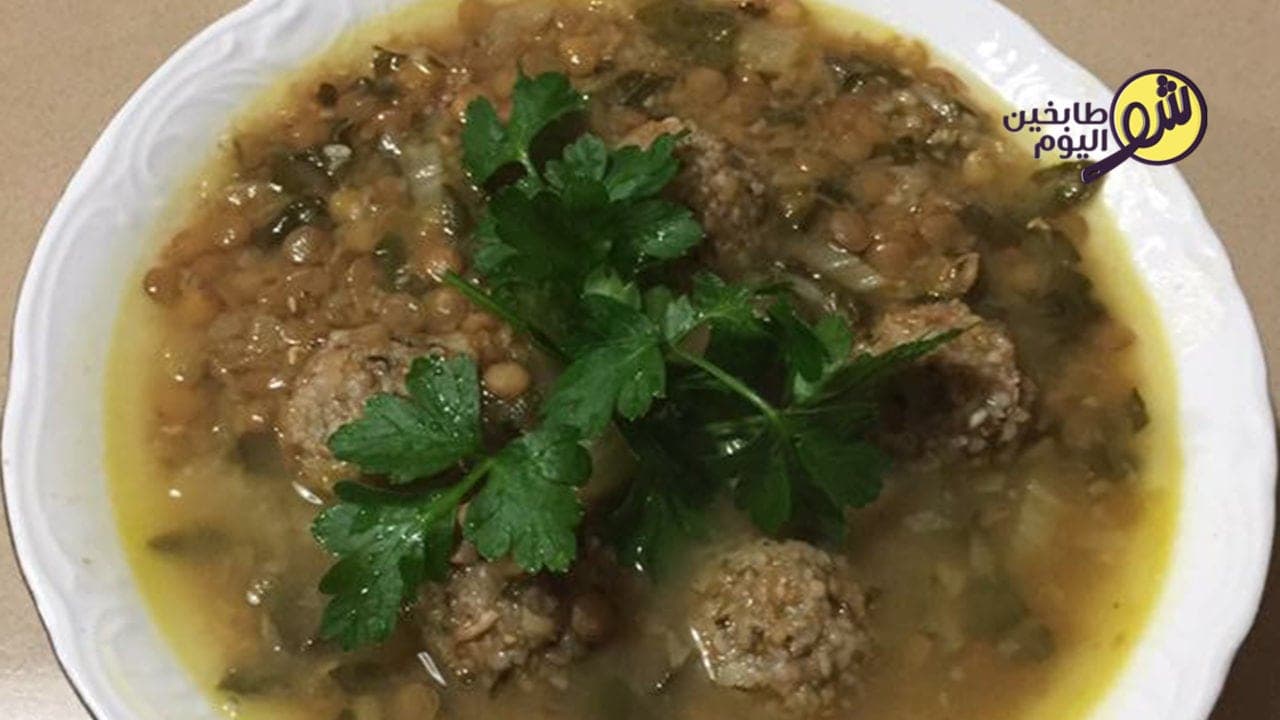
Kibbeh Hila
A heritage classic! Kibbeh Hila is a traditional dish our ancestors prepared when meat was scarce, using dough and bulgur to compensate for the lack of meat. Hence the name Kibbeh Hila.