
Search results
“Traditional Lebanese Tabbouleh Recipe”
Zesta Library
Search result recipes
Results update across recipes, ingredients, categories, and kitchen styles.
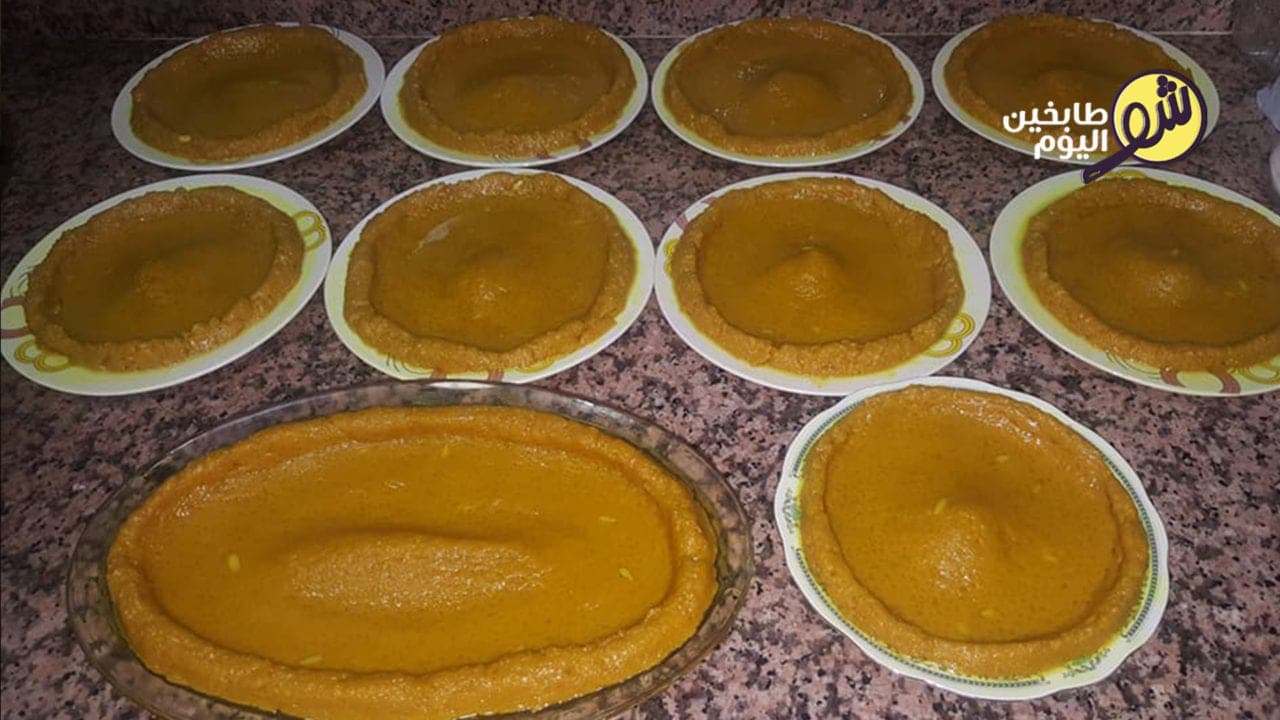
How to Make Muftaqa
Muftaqa is one of the most popular traditional dishes from Beirut. This recipe shows you how to make muftaqa clearly and in the original style followed in the Lebanese capital, Beirut.
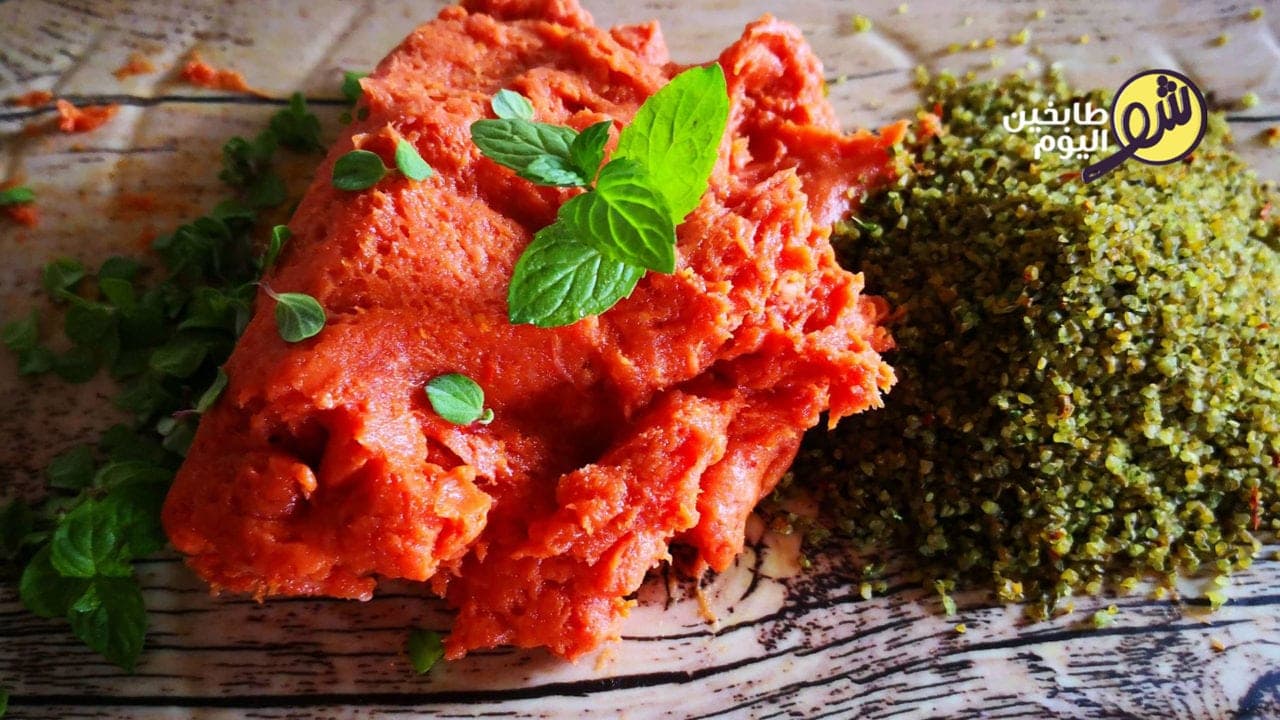
Raw Malsa Meat (Raw Lamb)
Malsa is a raw dish from the kibbeh family (also related to frekeh) and other raw meats that are among the most famous Lebanese dishes. Some people worry about eating raw meat, but its preparation requires careful precision, cleanliness, and hygiene.
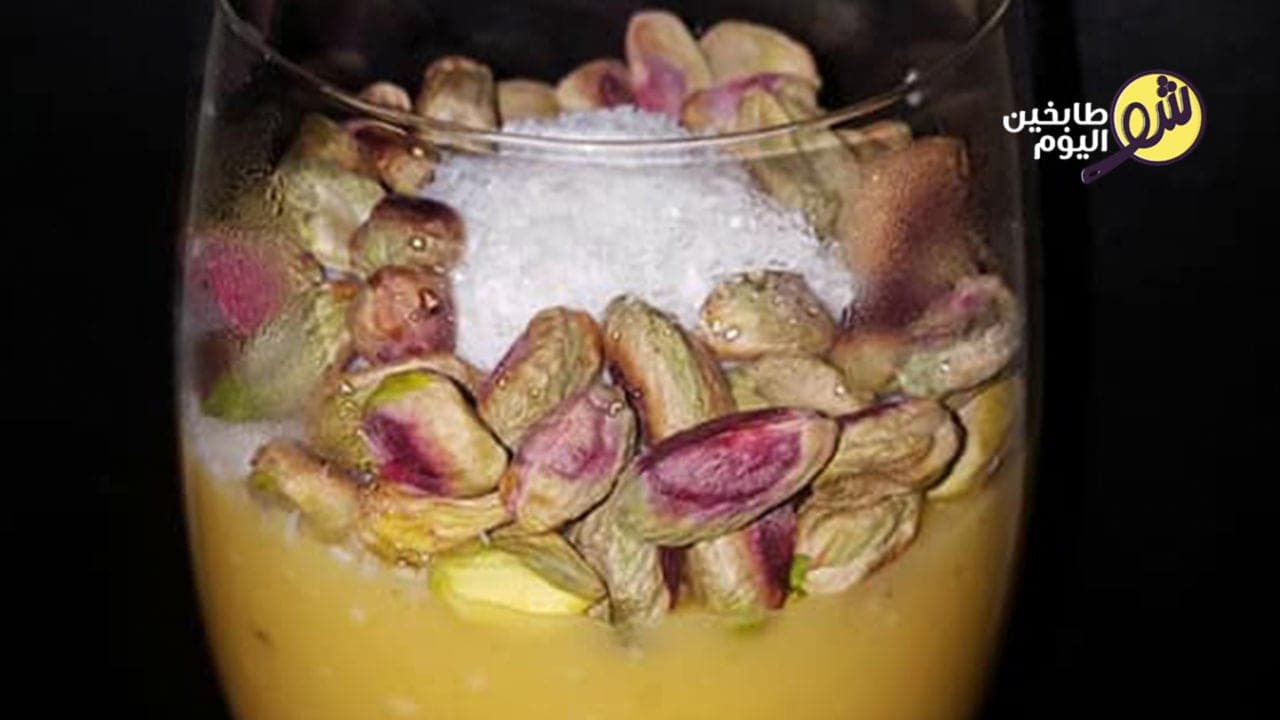
Qamar al-Din or Qamar Over the Clouds
Qamar al-Din Over the Clouds is a well-known Lebanese dessert, especially in Tripoli. This recipe blends a milk-based pudding with qamar al-din for a delicious, easy dessert.
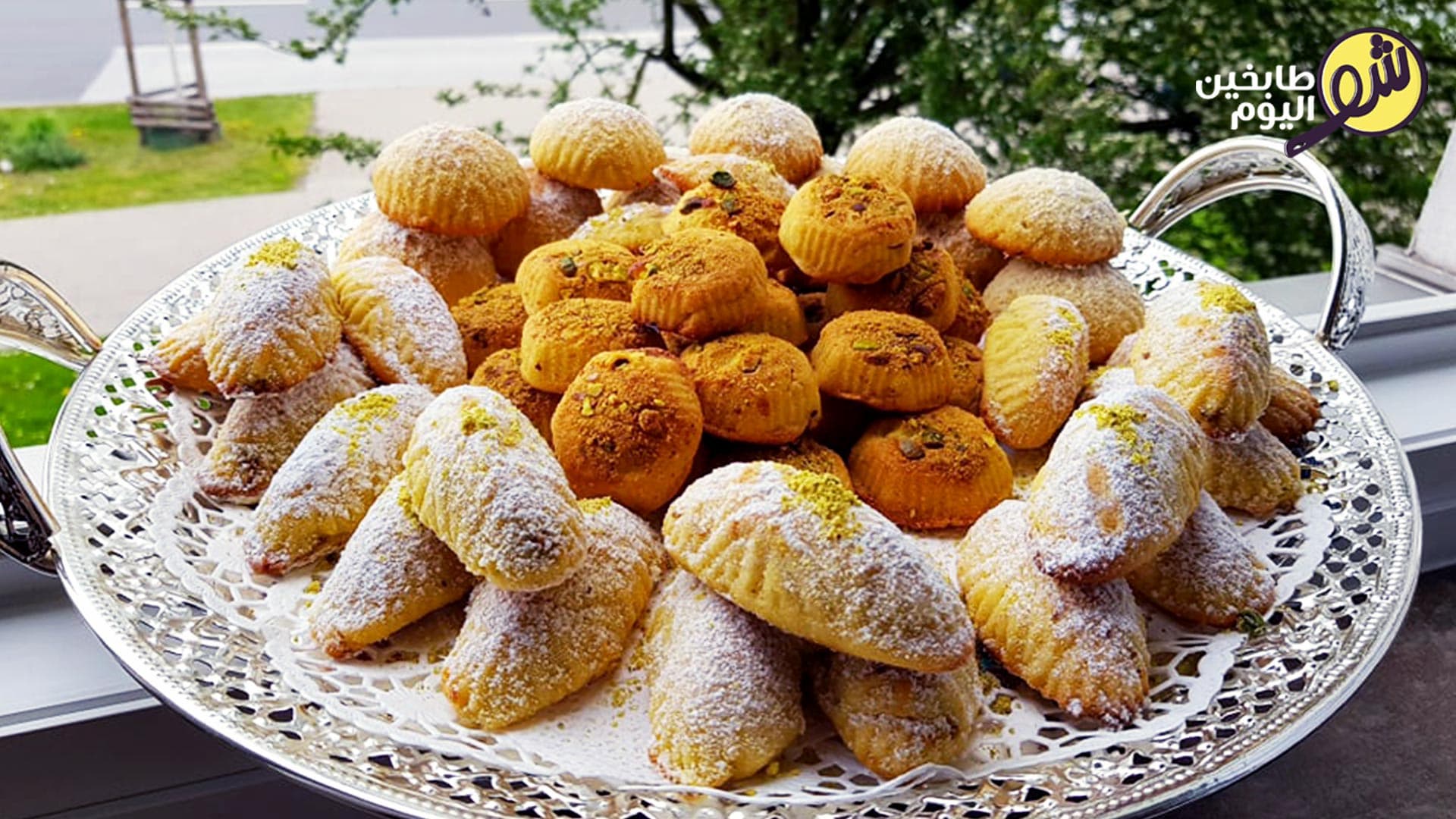
Successful Maamoul Recipe
Perfect maamoul for all your happy occasions, holidays, and hospitality. This recipe is reliable and traditional—just follow the steps and you’ll be happy with the result every time, and never want to change it.
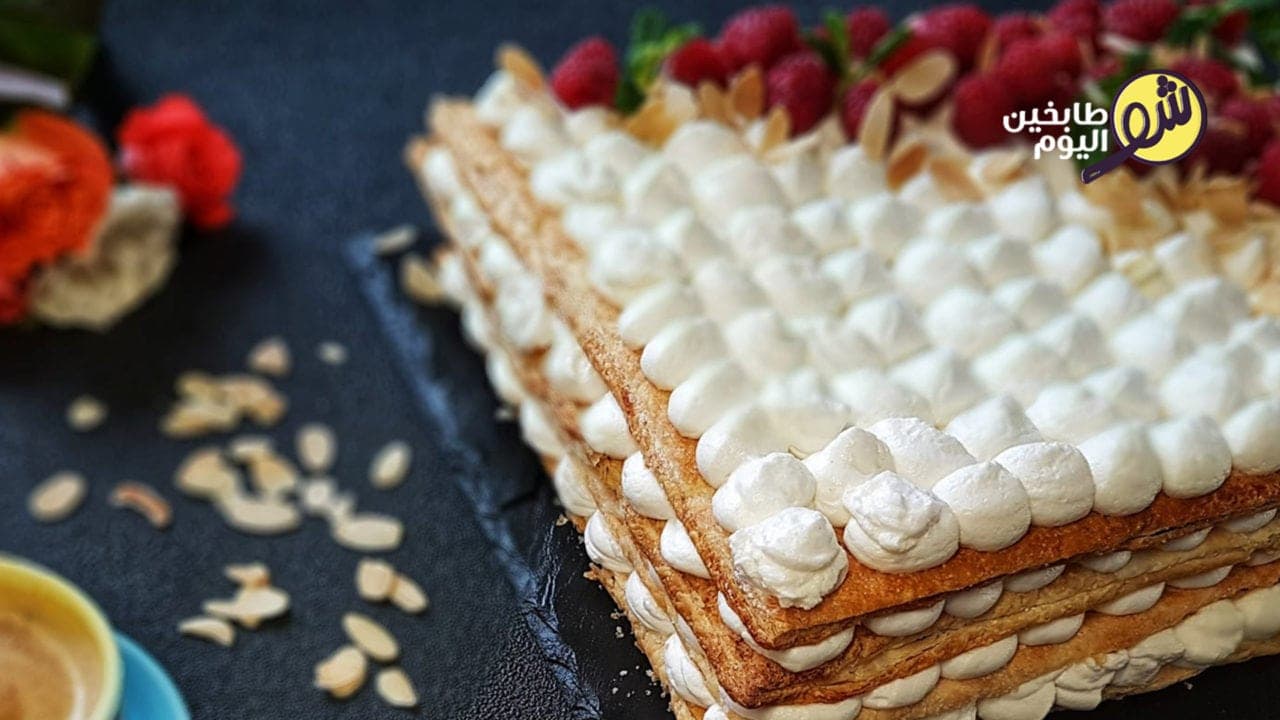
Mille-Feuille Layer Cake
An inventive, non-traditional method for preparing mille-feuille cake. You can choose decorations you like to finish the mille-feuille, as it remains one of the tastiest and most beautiful cakes to serve.
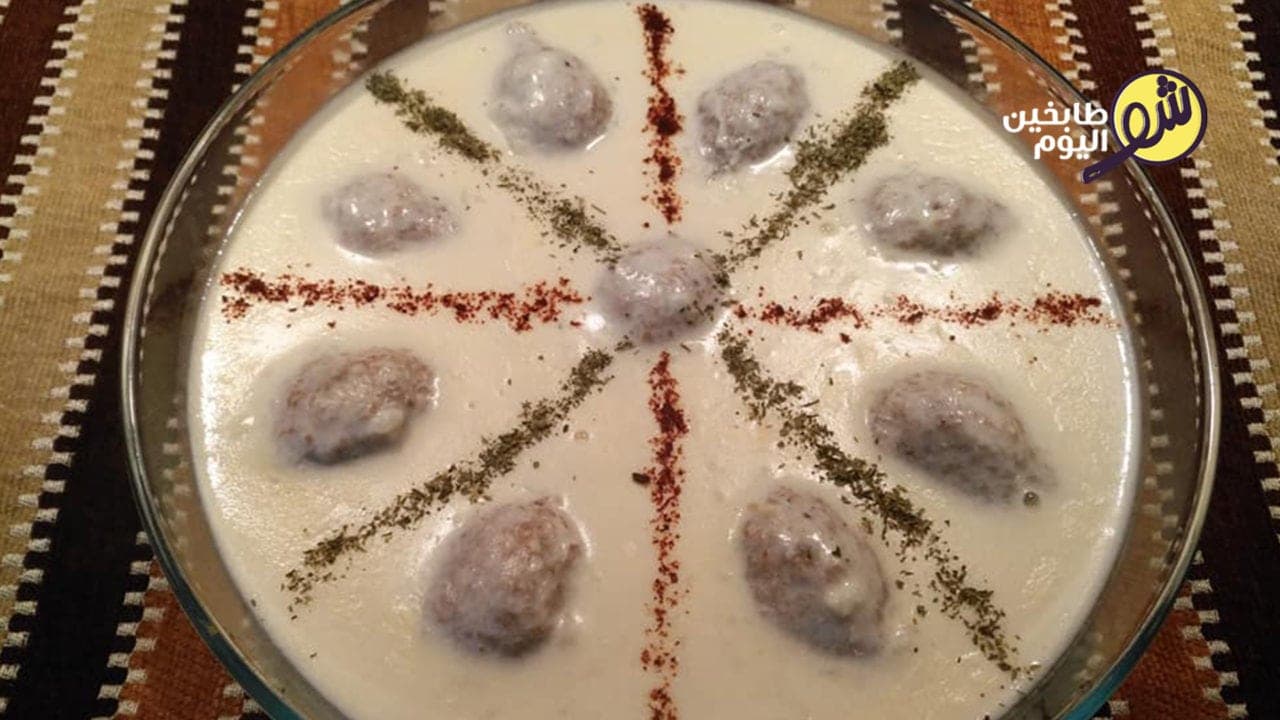
Kibbeh in Yogurt
A beloved Lebanese classic: Kibbeh cooked in yogurt, with options for goat or cow yogurt. The recipe details both versions.
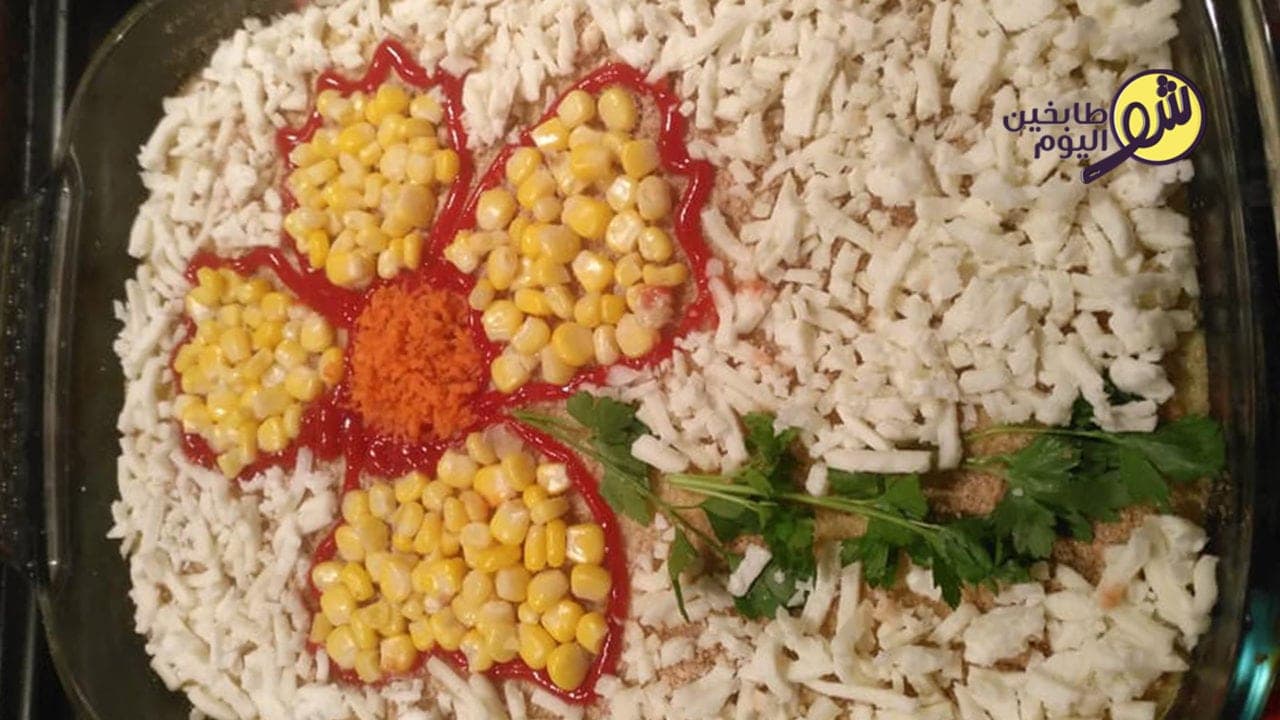
Baked Potato Souffle in a Tray
Potato souffle, or potatoes baked in a tray with meat, is an easy and delicious traditional dish. Serve it alongside a vegetable salad or fattoush.
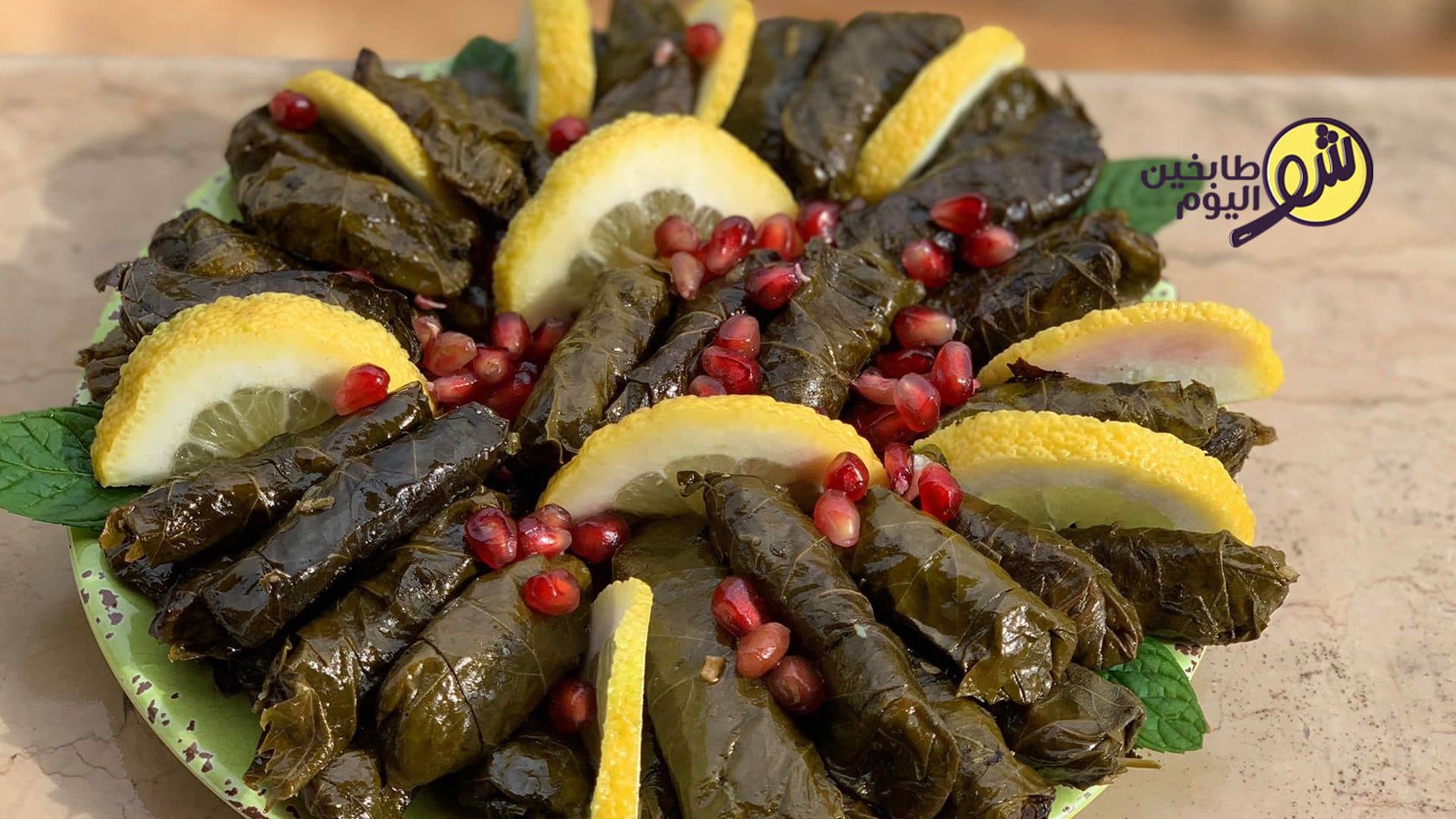
Stuffed Grape Leaves in Olive Oil
A classic Lebanese/Shami vegetarian recipe that brightens any table. Add a tablespoon of sumac to the filling for extra tang.
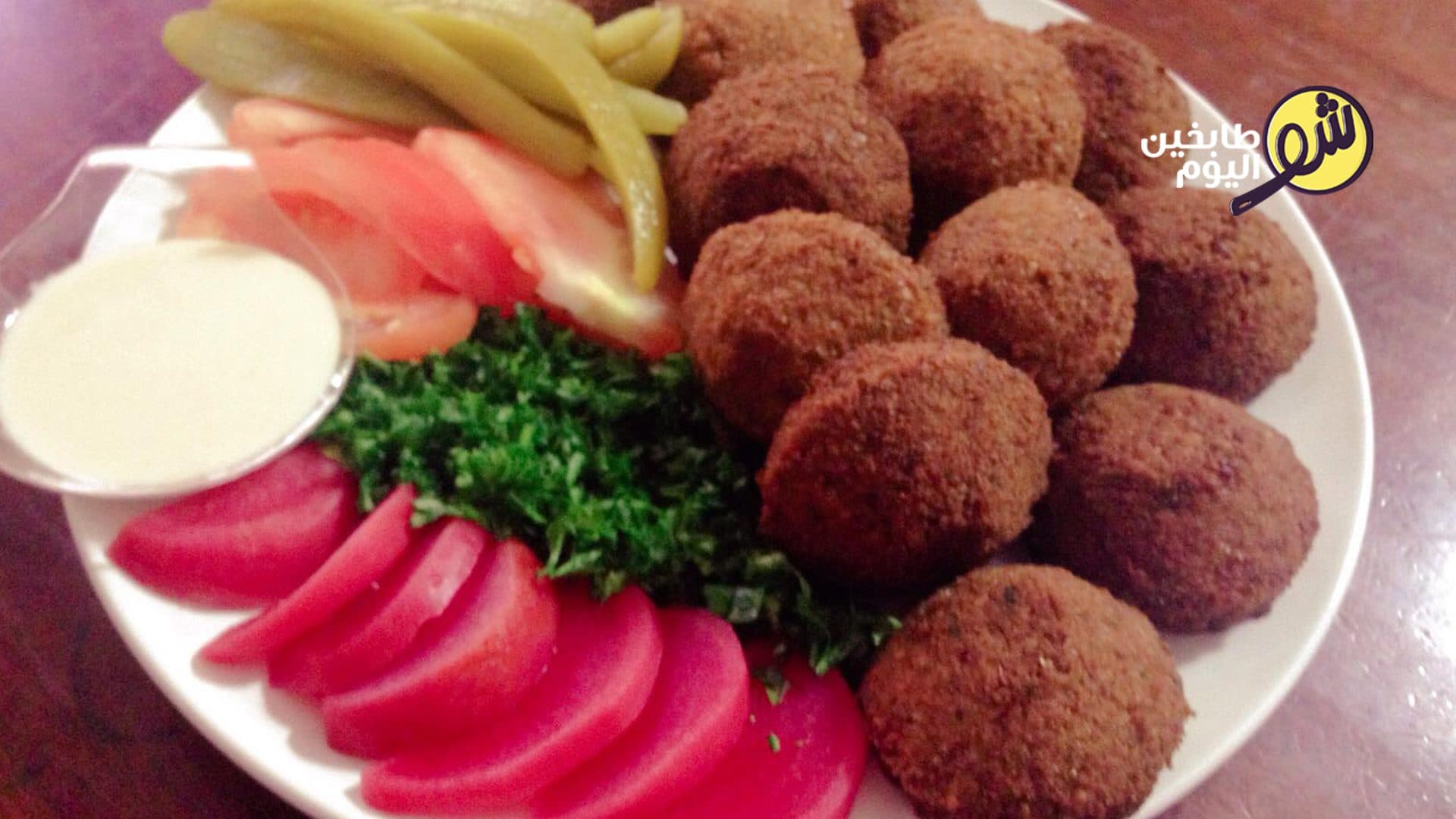
Chickpea Falafel Patties
Chickpea falafel patties — a beloved traditional recipe. Made with chickpeas only (no fava beans), they fry without absorbing excess oil and are great in sandwiches.
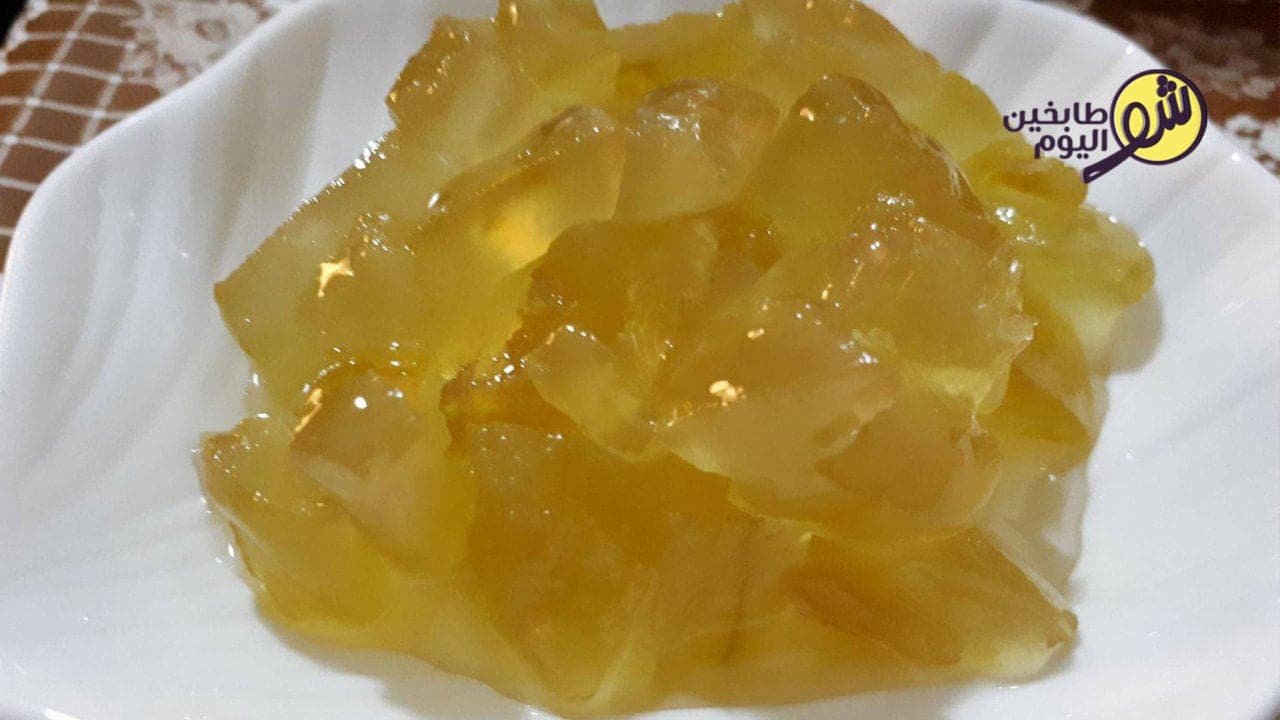
Watermelon Rind Jam
A traditional jam made from the white inner rind of watermelon, learned from friends in Iraq. It yields about two jars and helps prevent wasting part of the fruit.